Jay Settle
Things I've built, drifting through the clouds.
The Bird Bath Cam
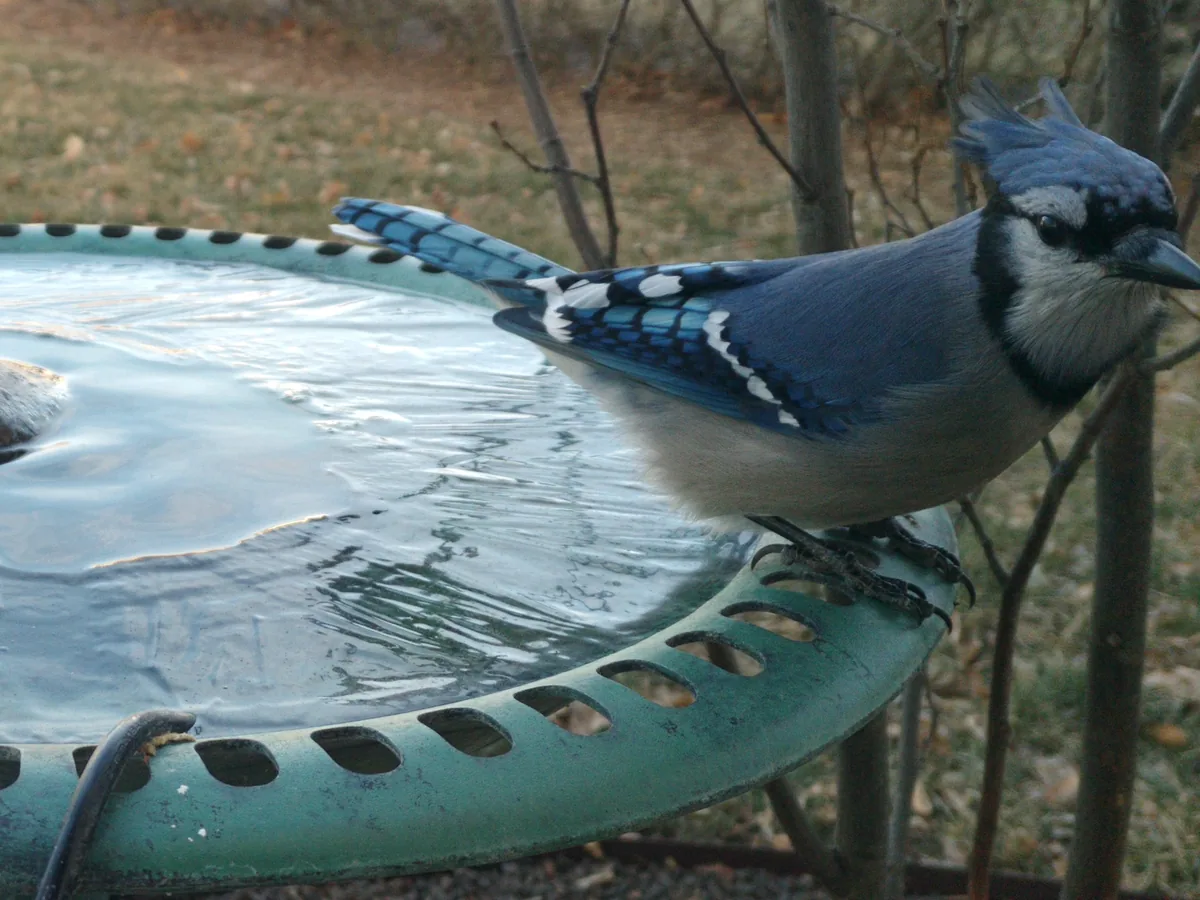
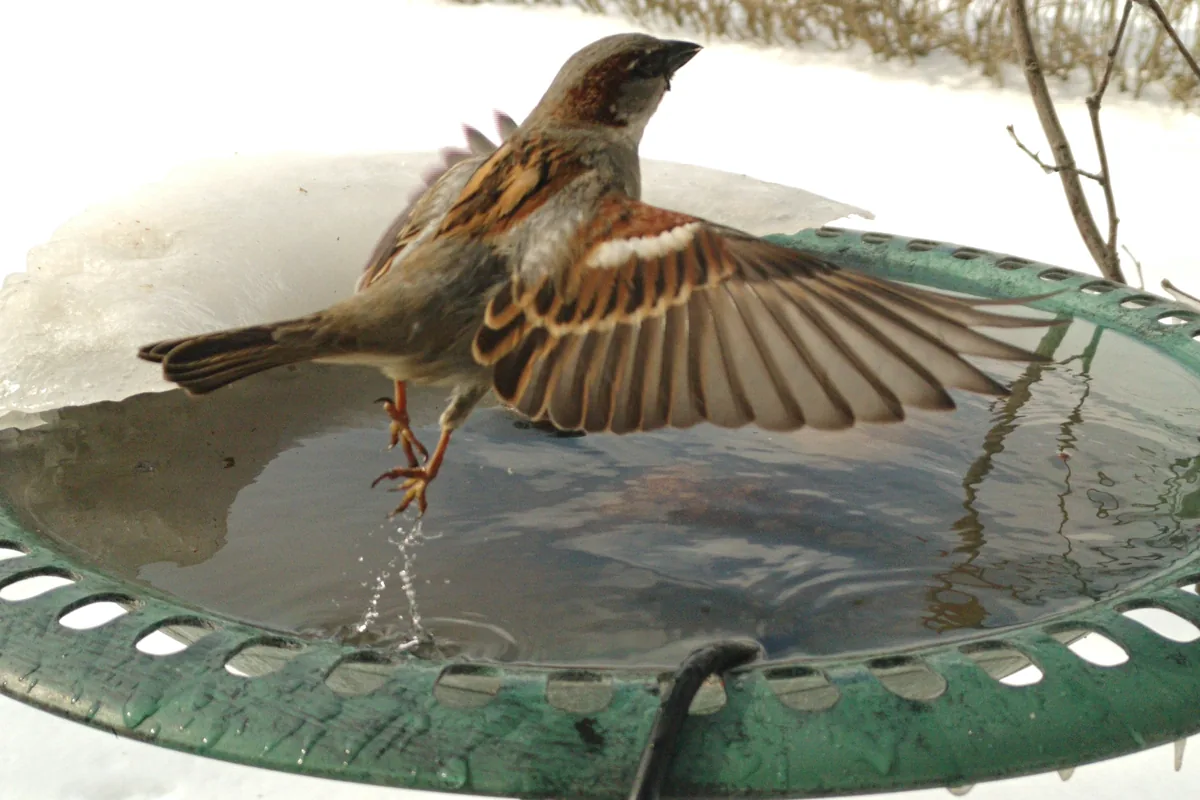
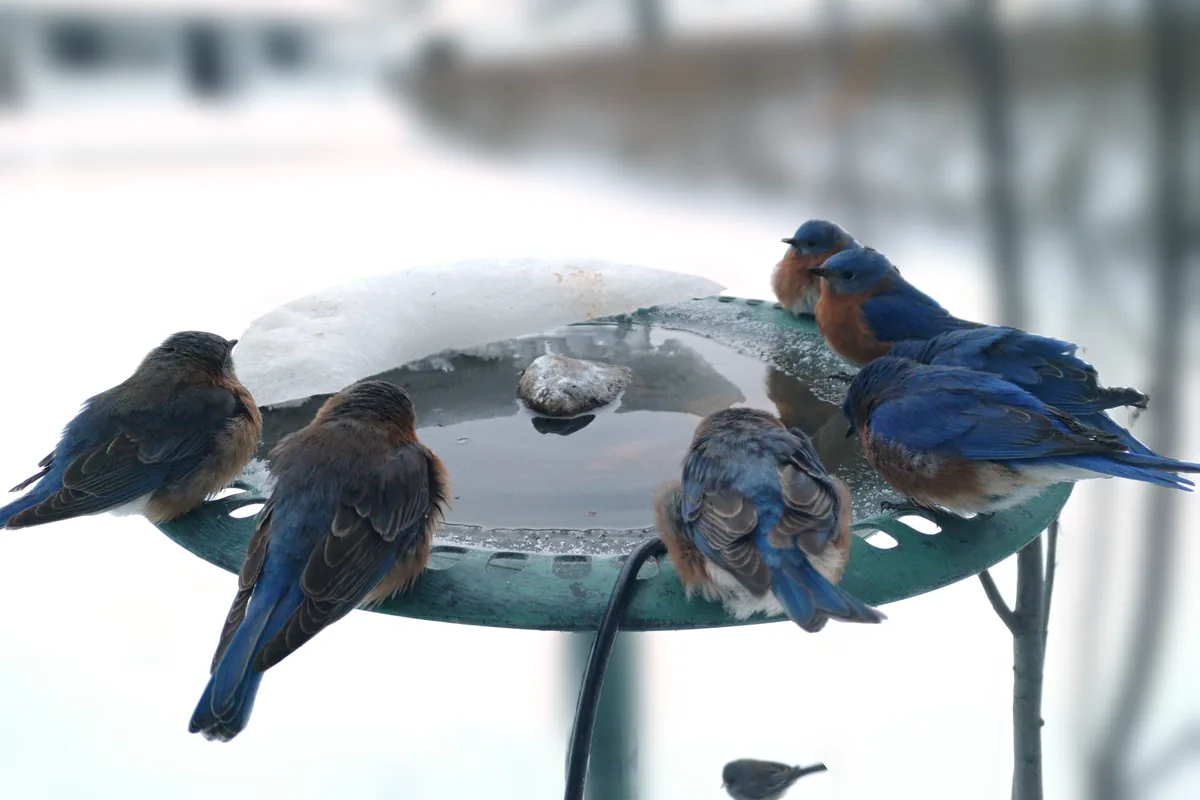
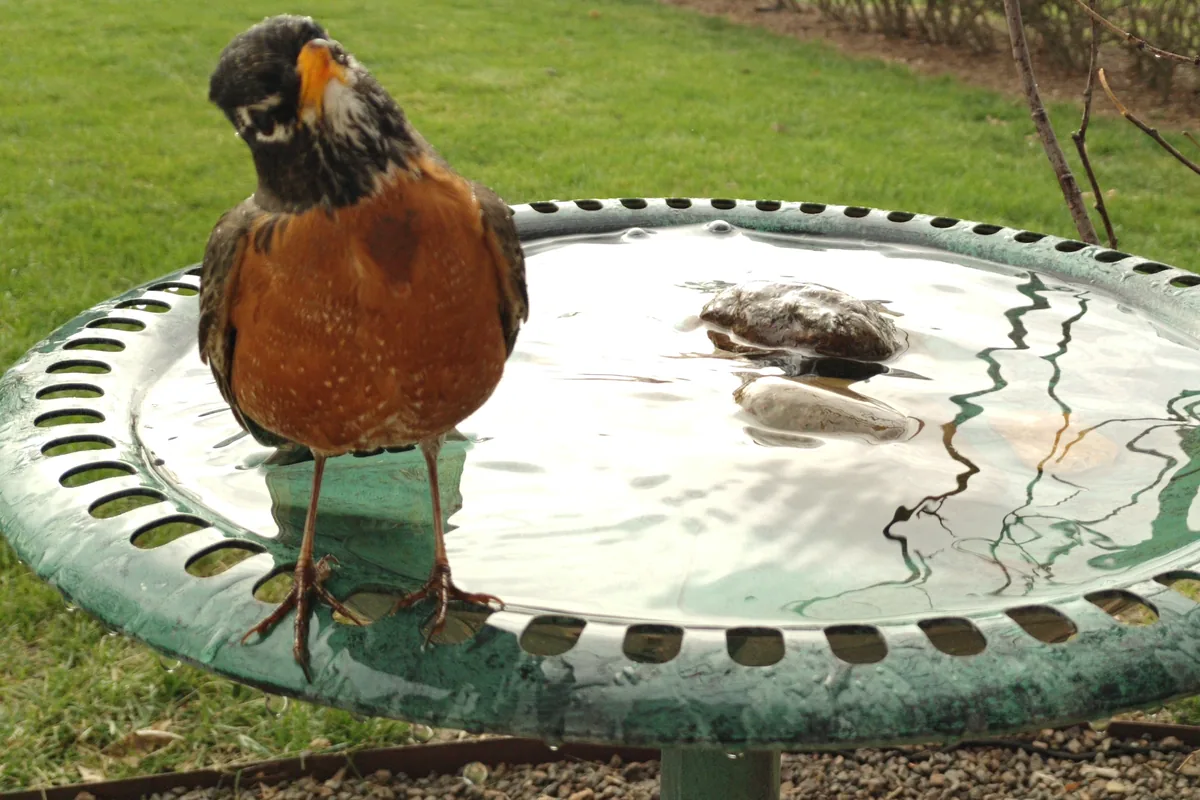
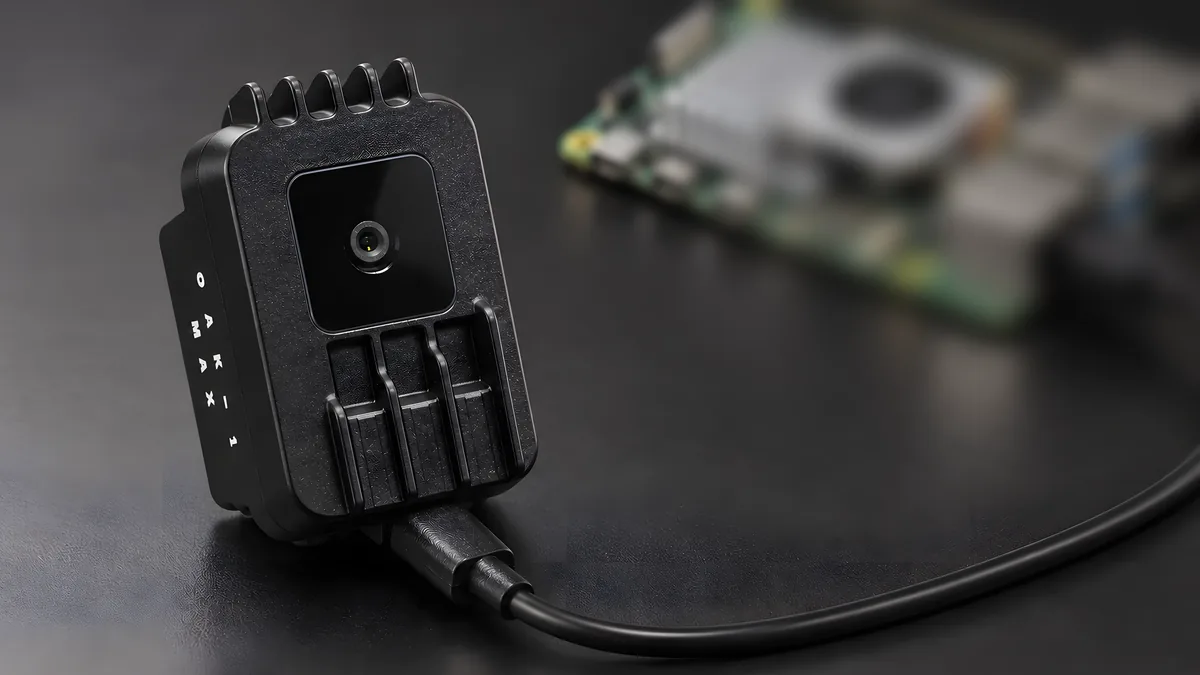
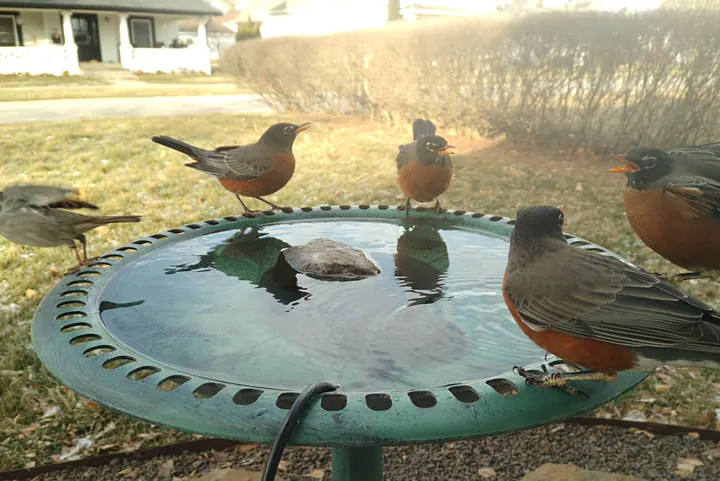
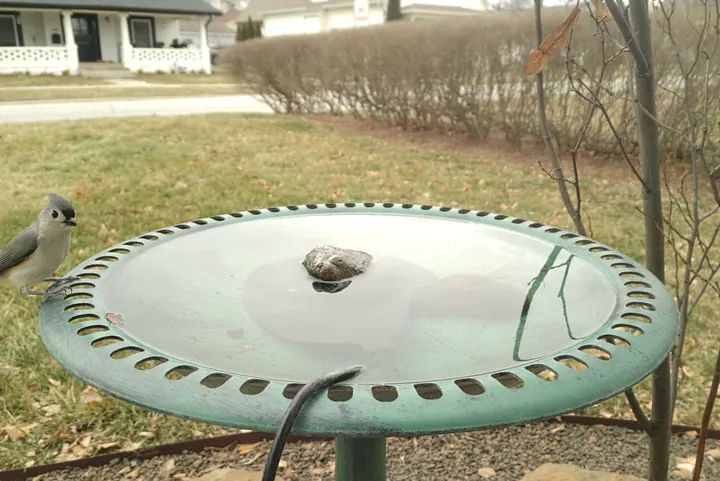
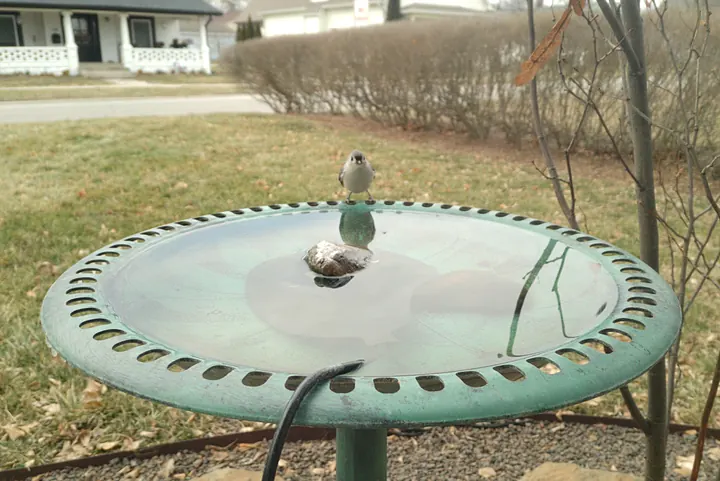
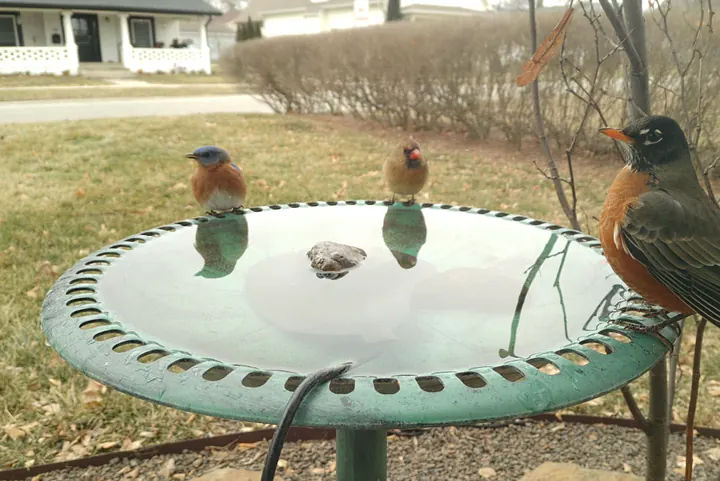
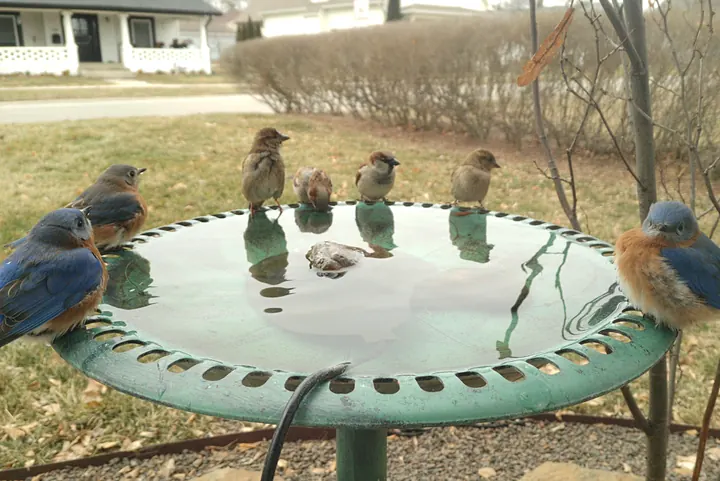
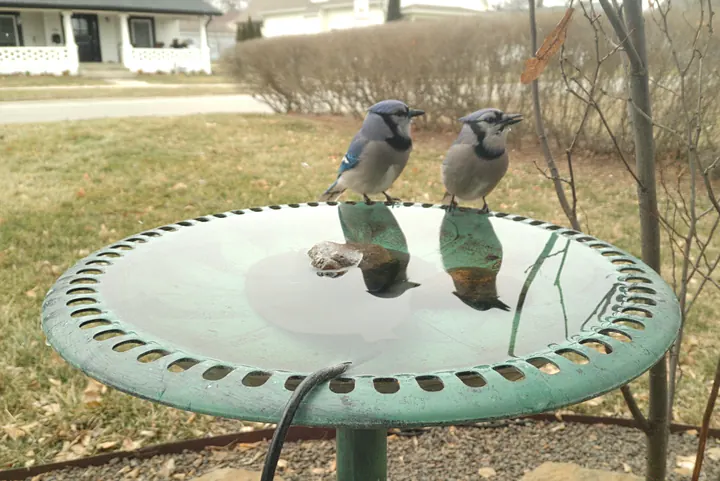
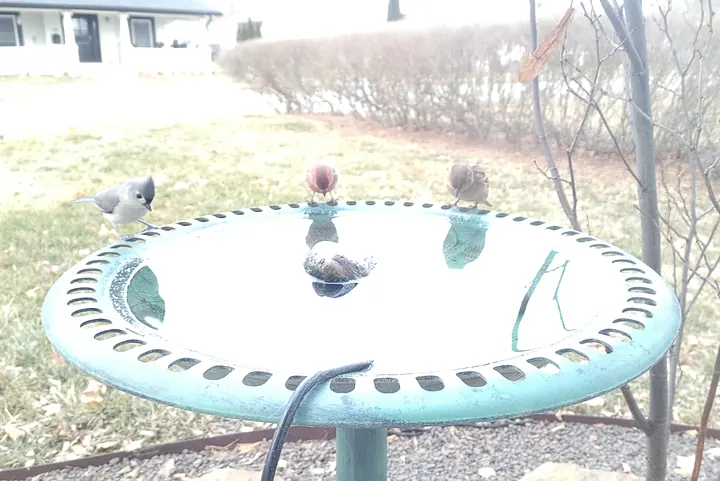
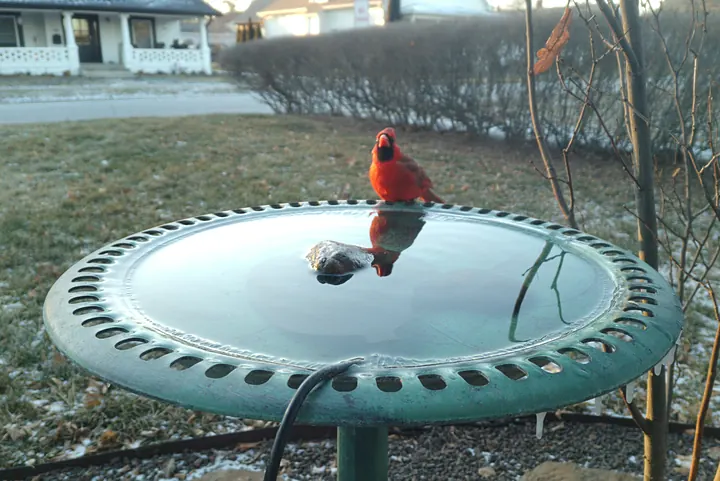
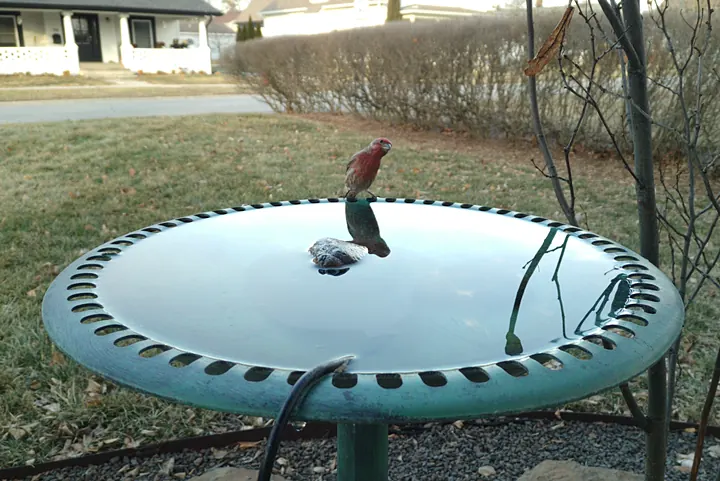
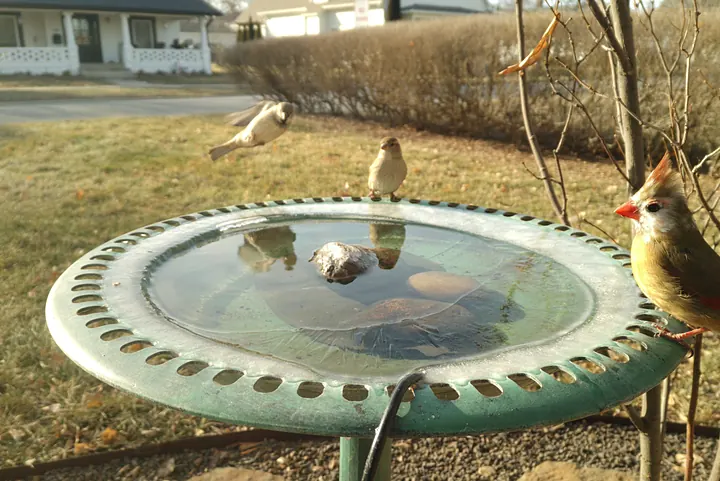
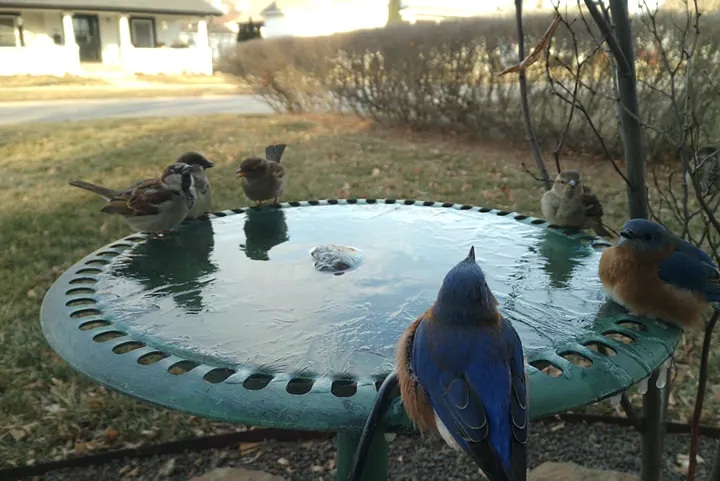
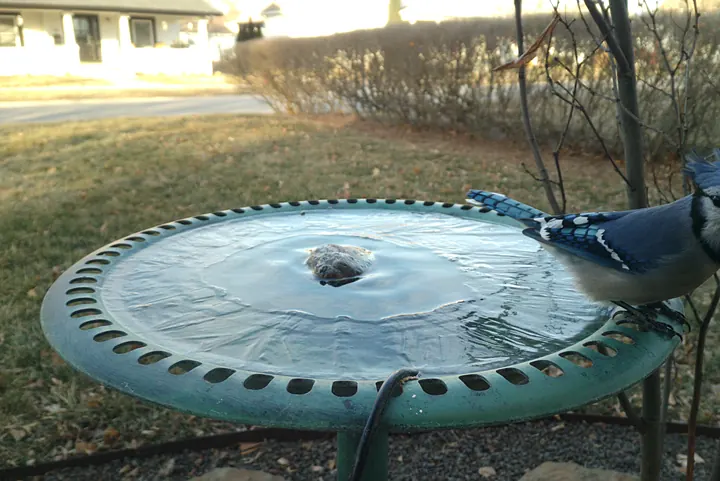
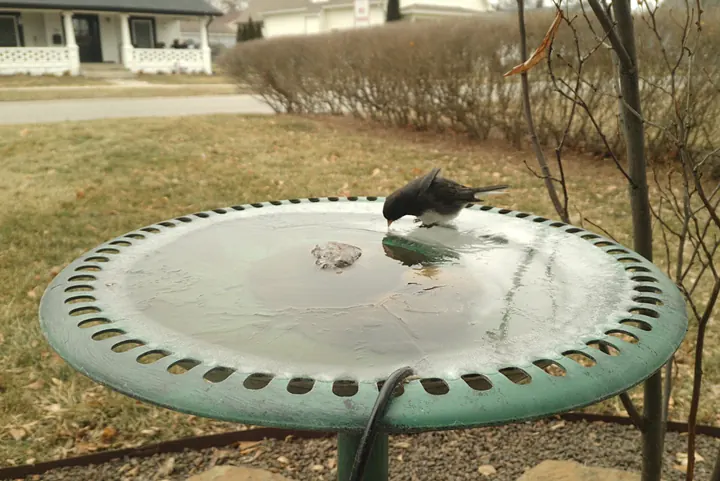
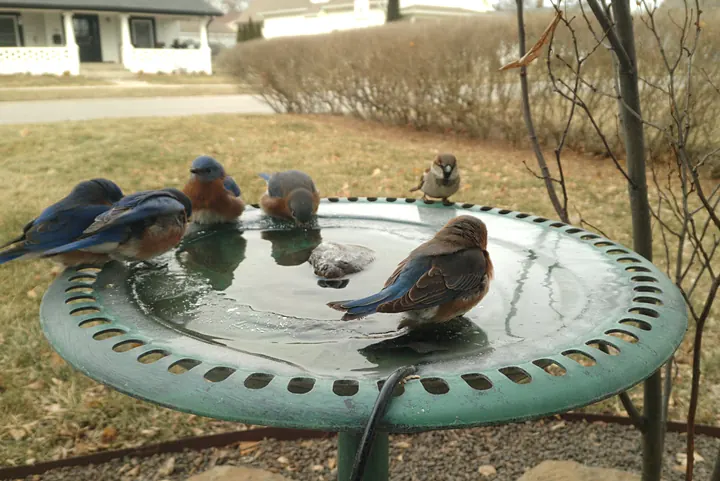
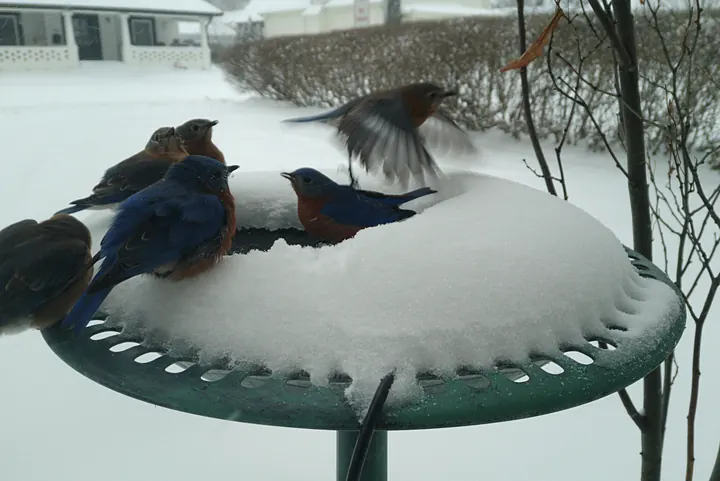
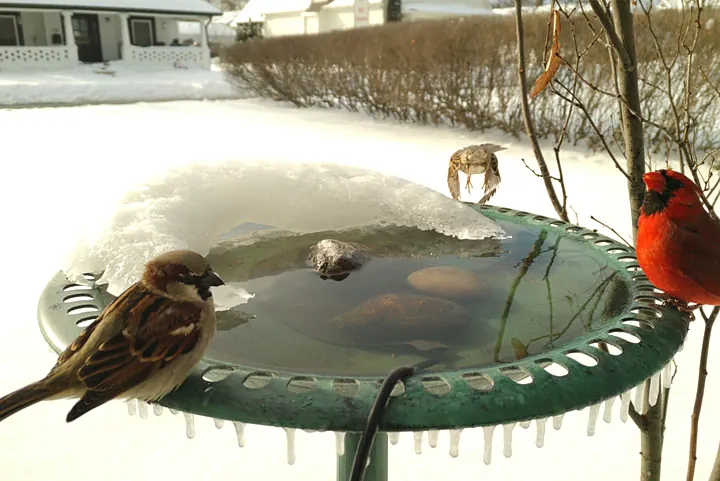
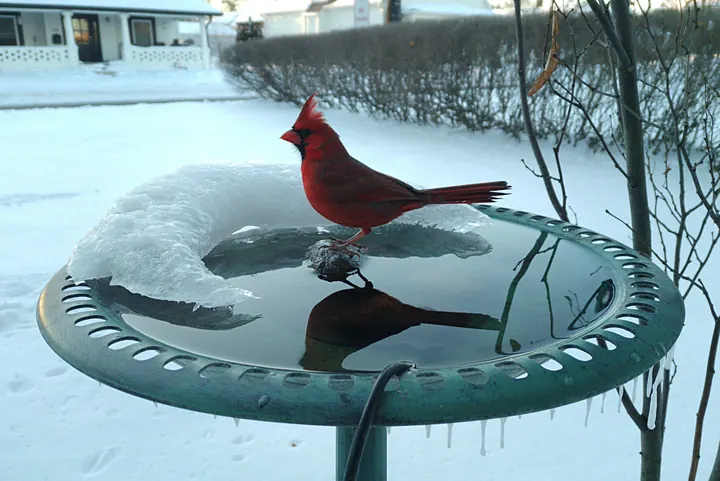
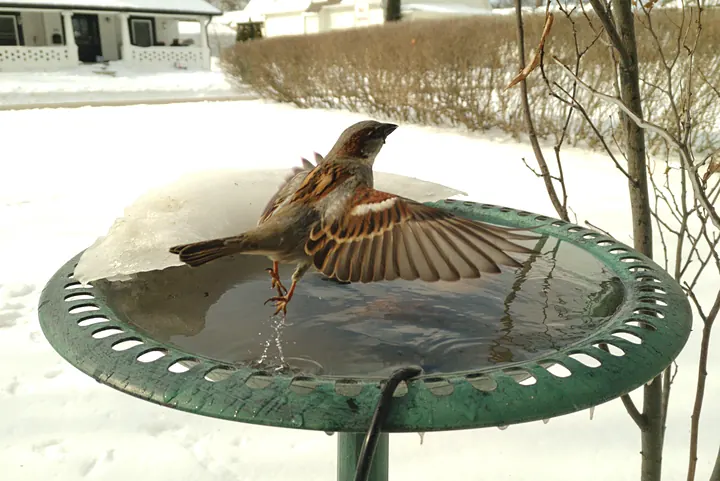
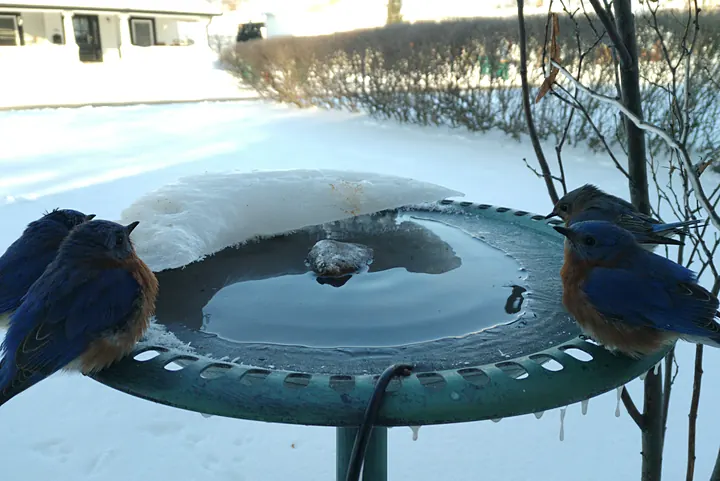
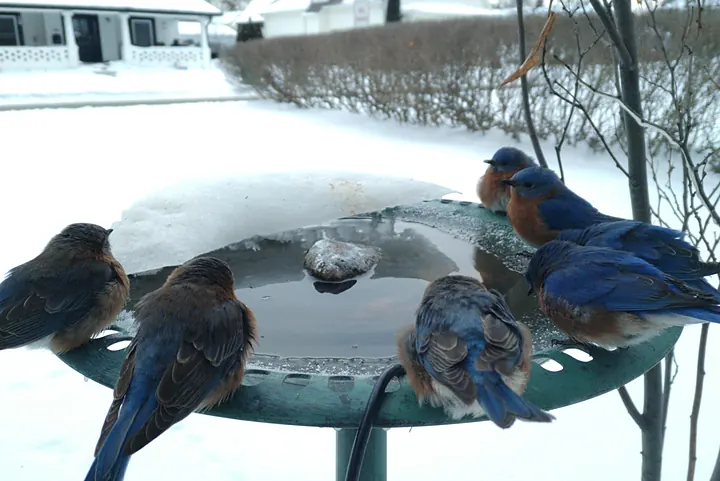
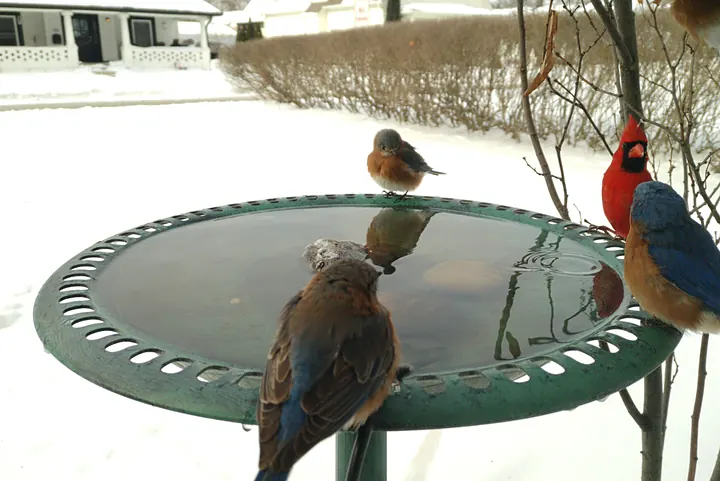
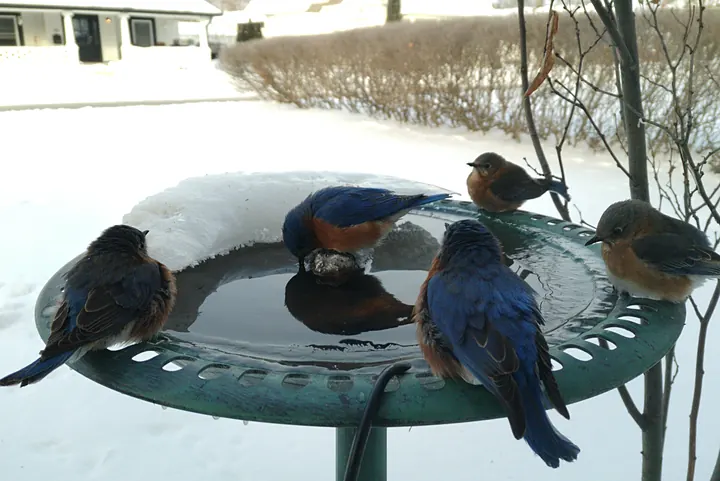
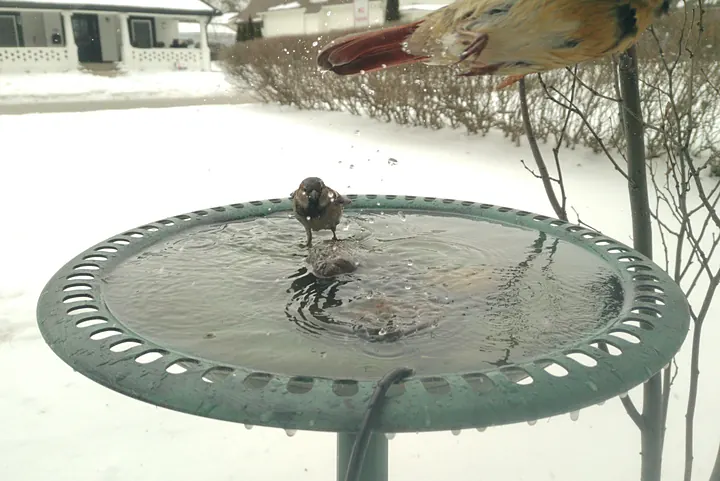
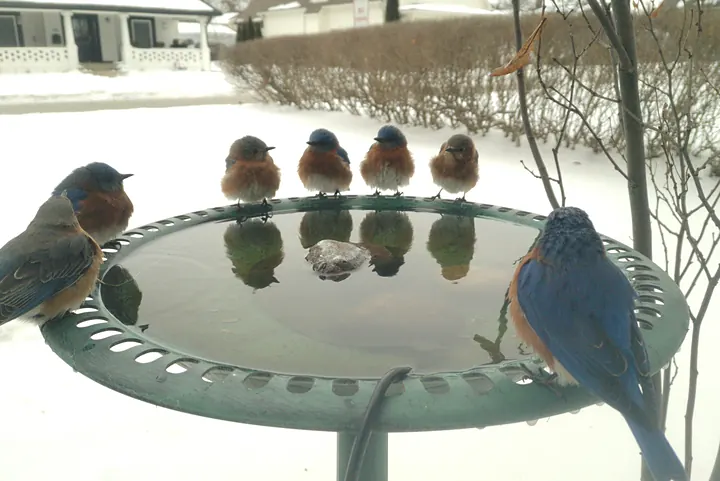
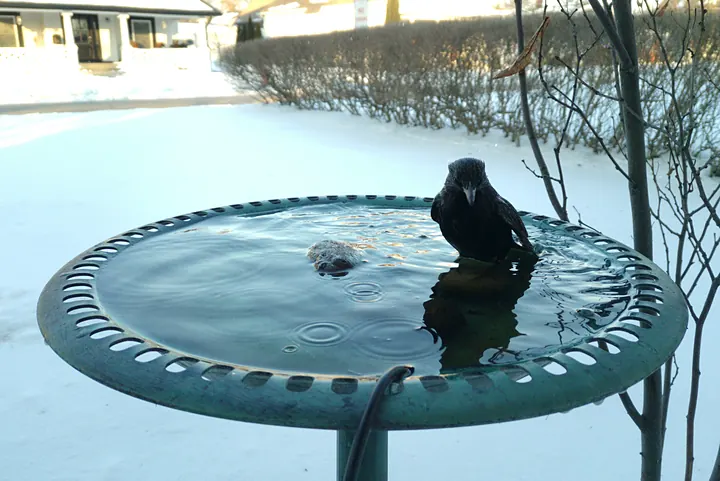
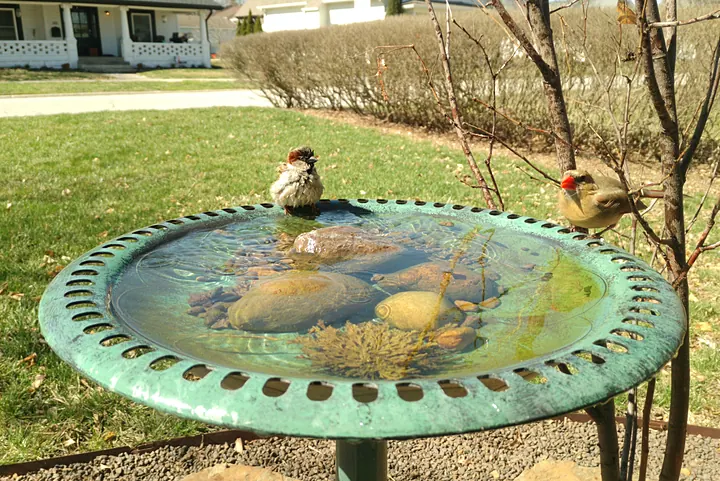
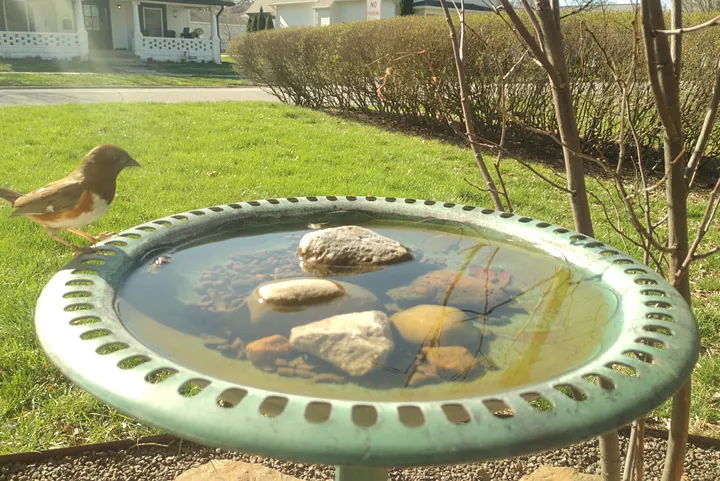
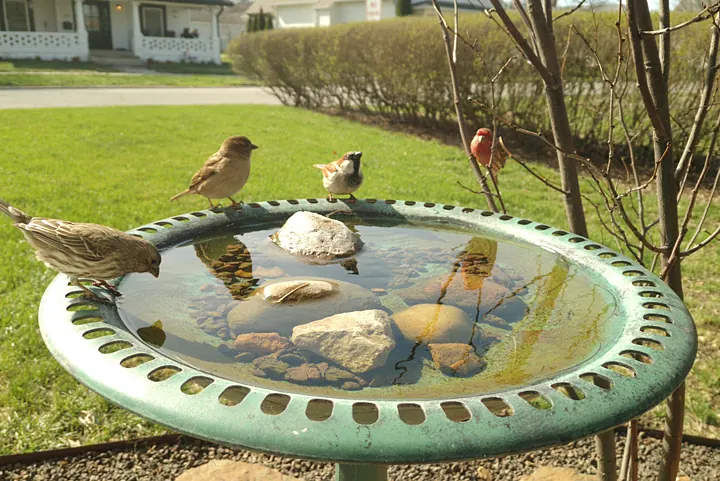
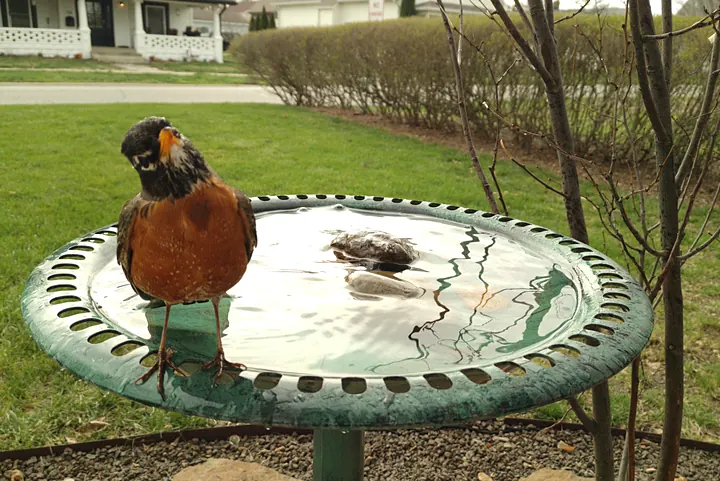
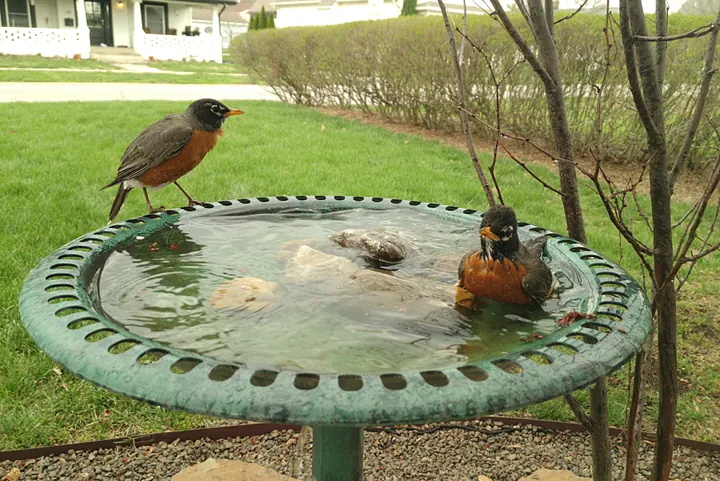
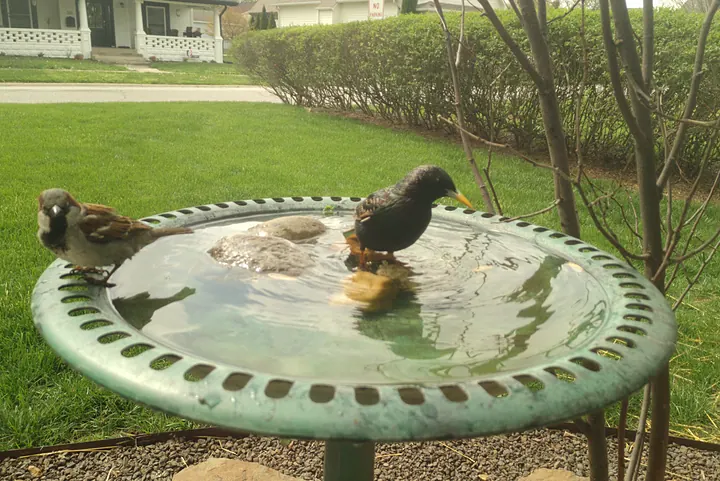
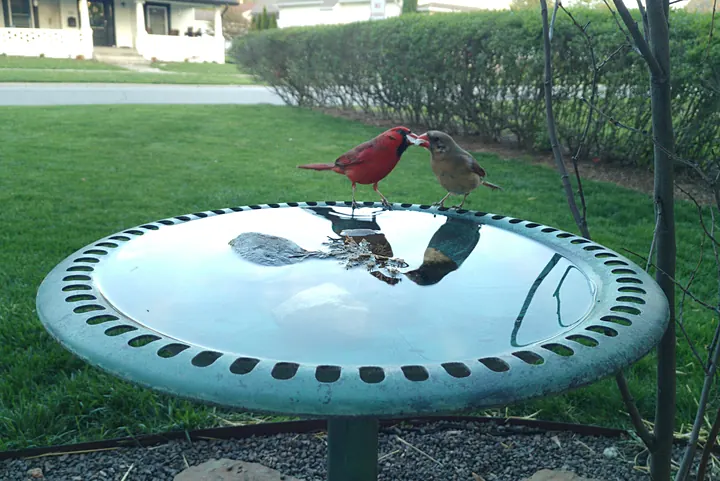
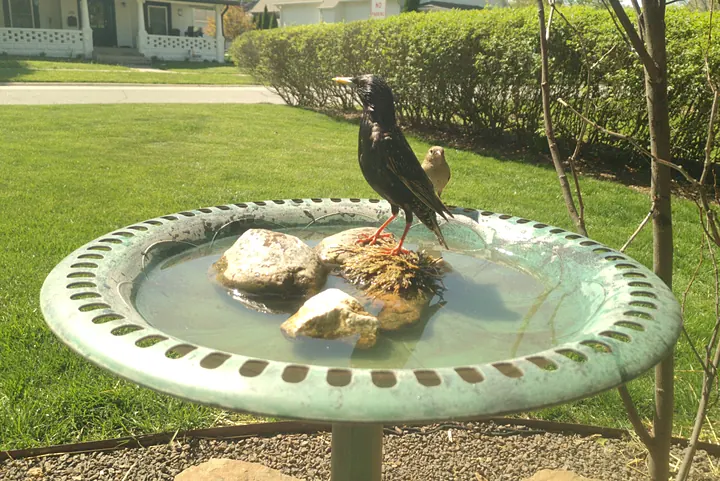
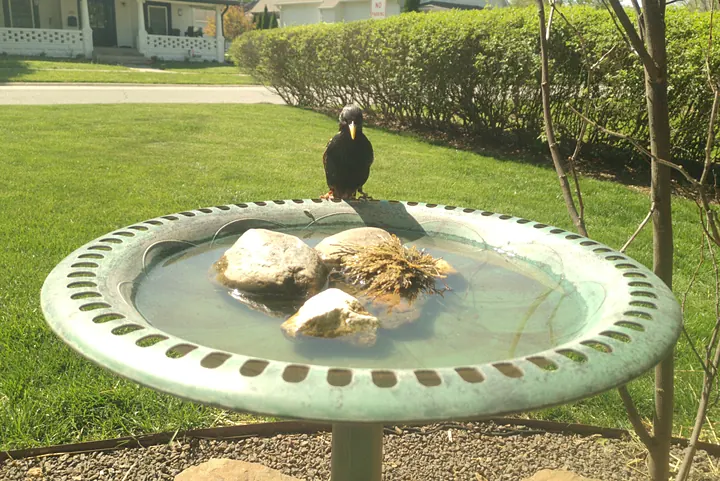
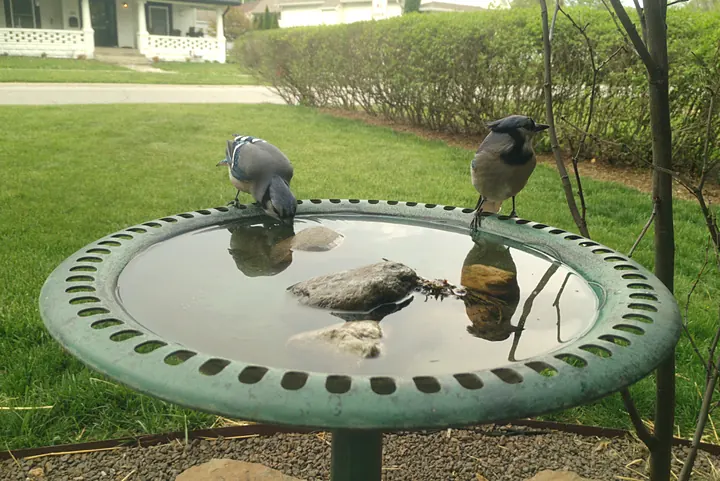
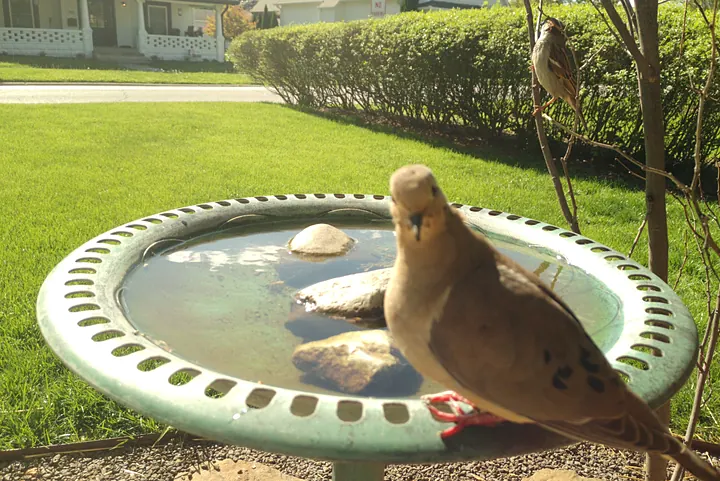
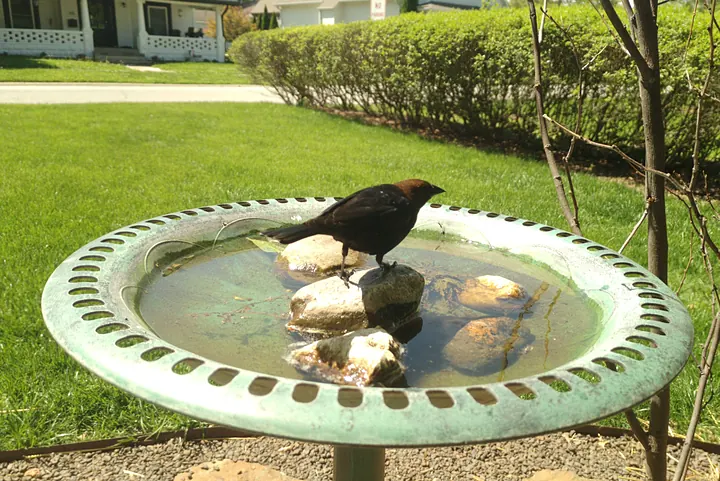
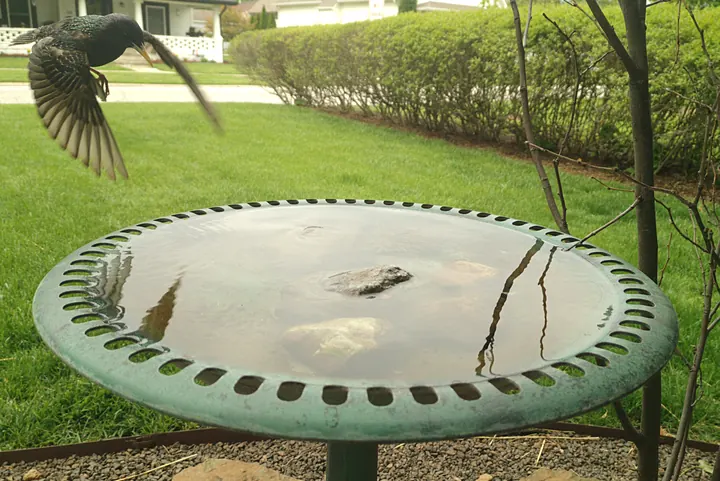
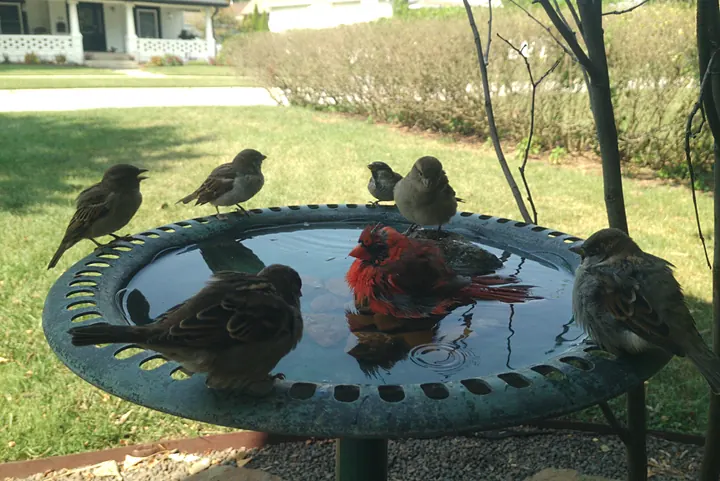
A Raspberry Pi 5 and a 32-megapixel OAK camera watch our bird bath all year round. Motion fires a full-resolution shot, an AI vision model names the species, and the camera takes a break when it rains. These are a few of our favorite visitors.
- Raspberry Pi 5
- OAK-1 MAX · 32 MP
- Motion-triggered
- AI species ID

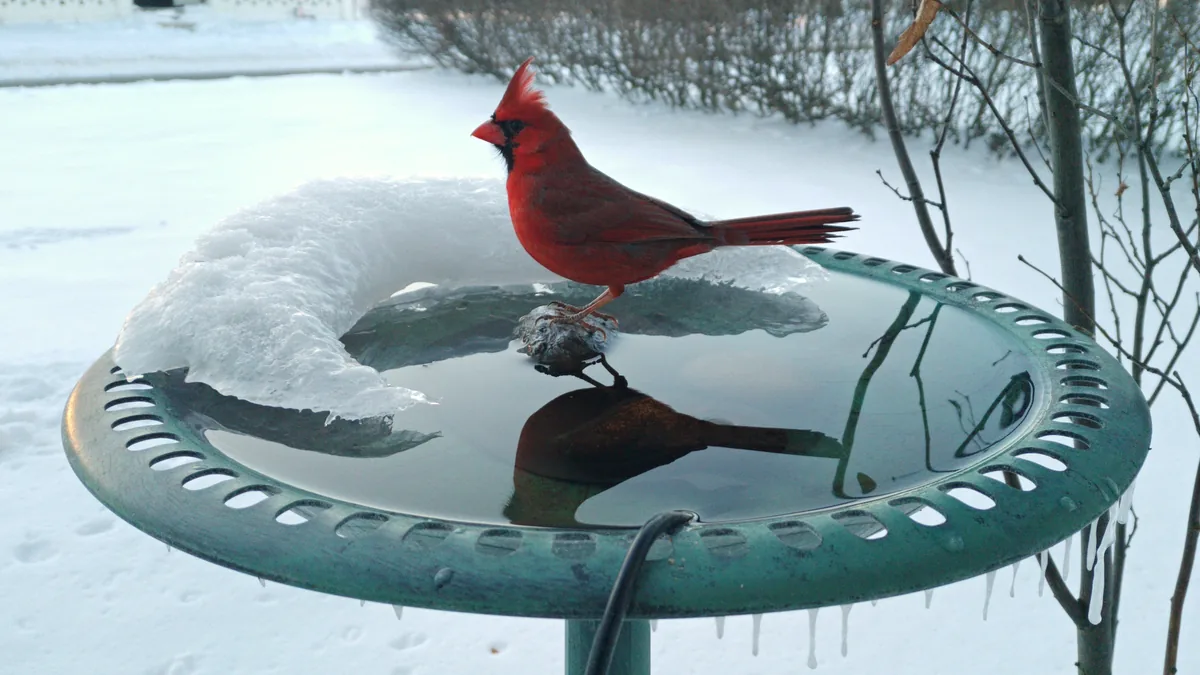
Forty-two visitors
Every photo we have starred in the camera's gallery, January to September 2026. Tap one to see it full size.



A 4 × 8 ft CNC Router
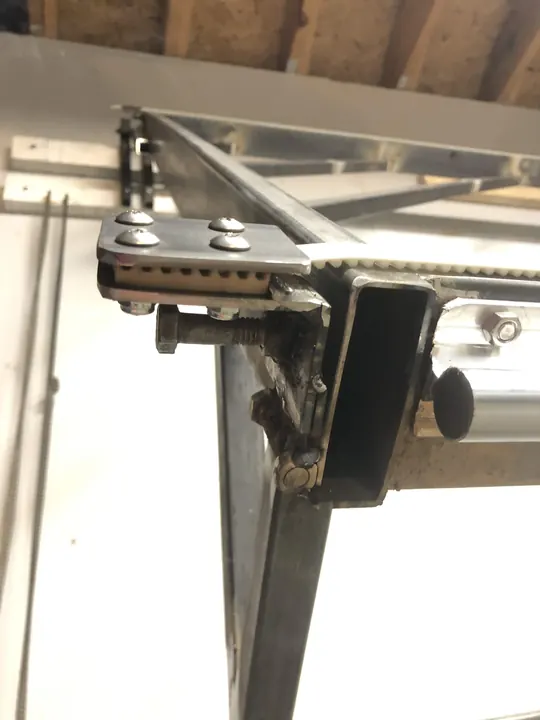
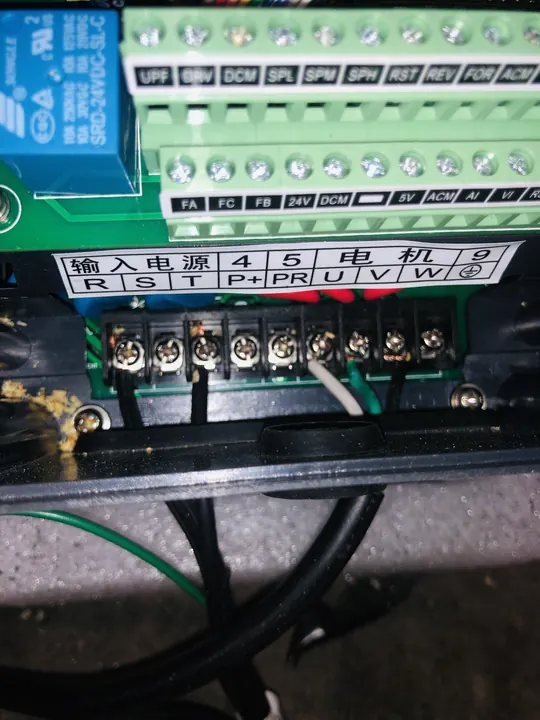
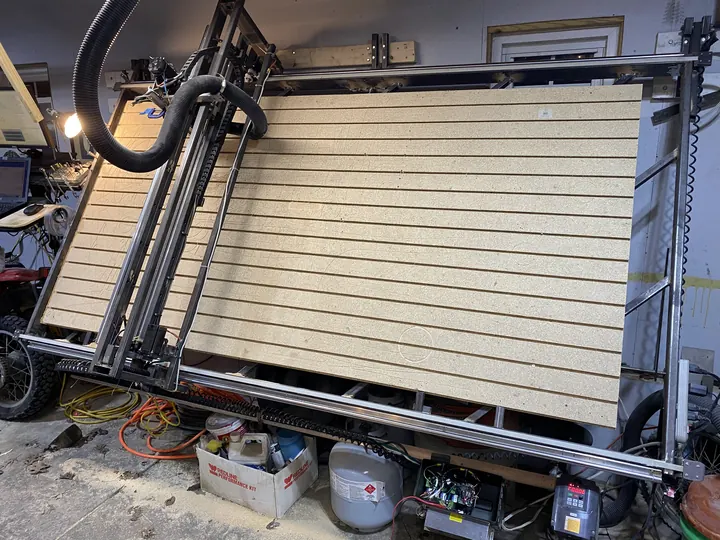
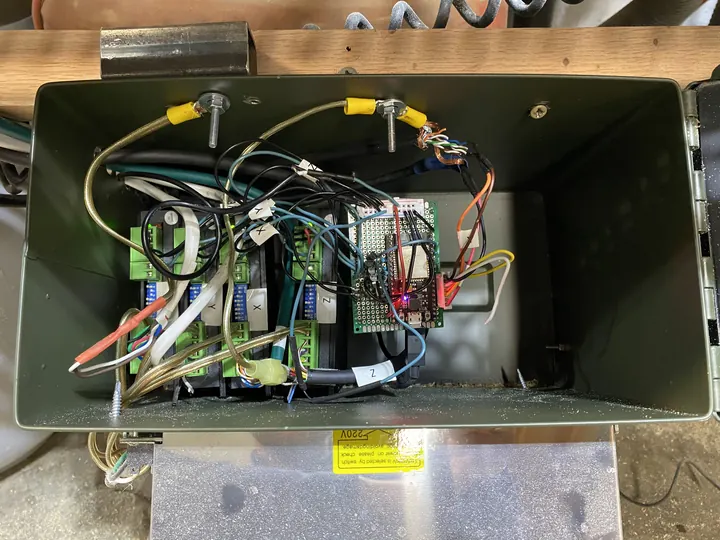
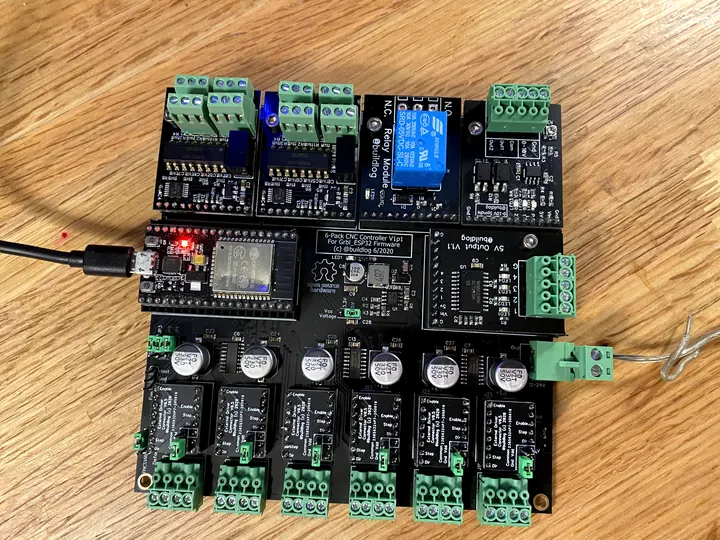
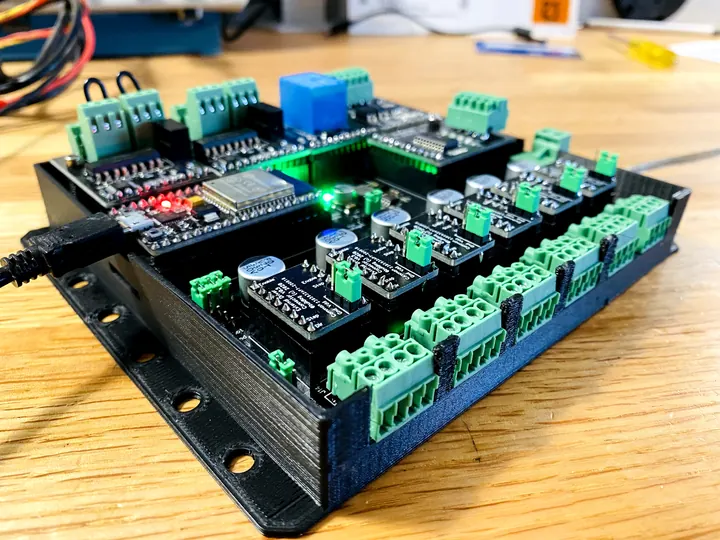
I built a CNC router big enough to cut a full sheet of plywood. Two motors drive the gantry on rack and pinion, an ESP32 running FluidNC is the brain, and a 1.5 kW spindle does the cutting.
- ESP32 · FluidNC
- Dual-motor gantry
- Rack & pinion
- 1.5 kW spindle
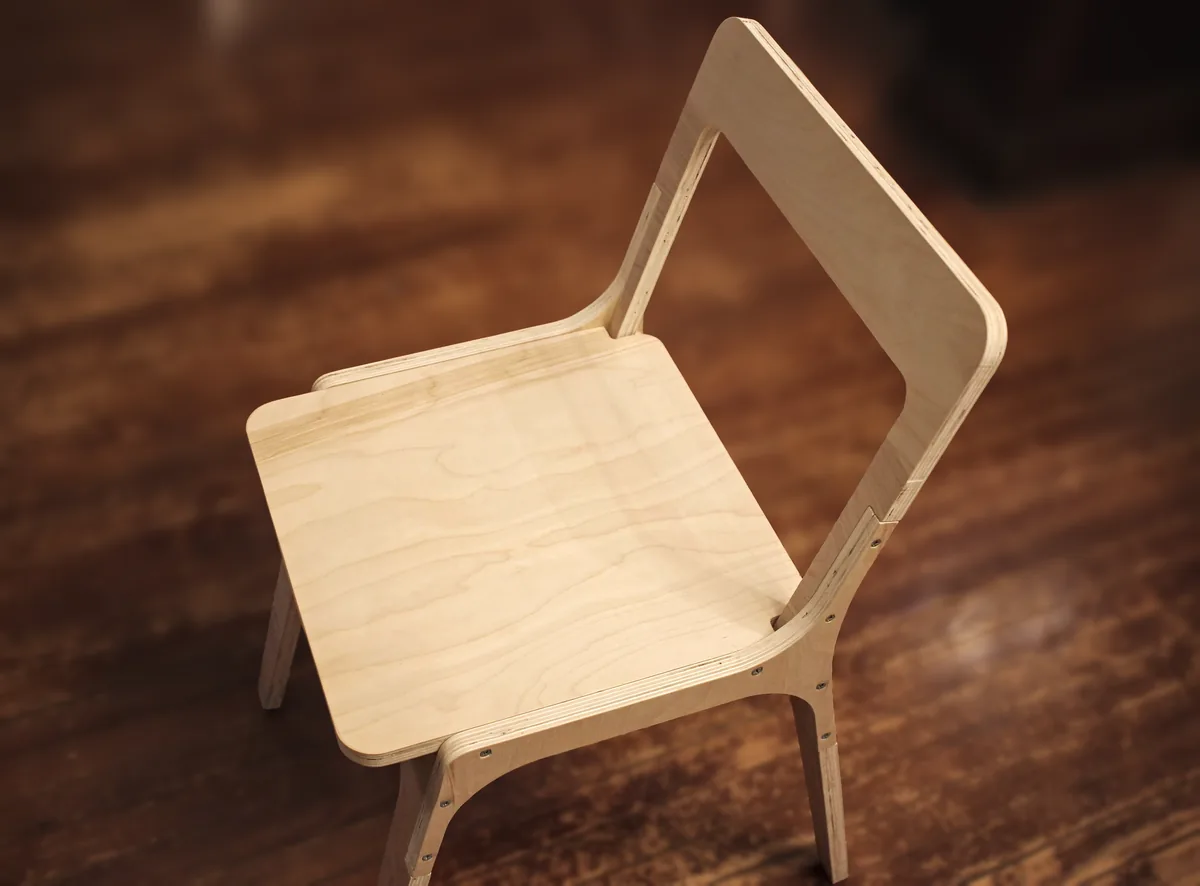
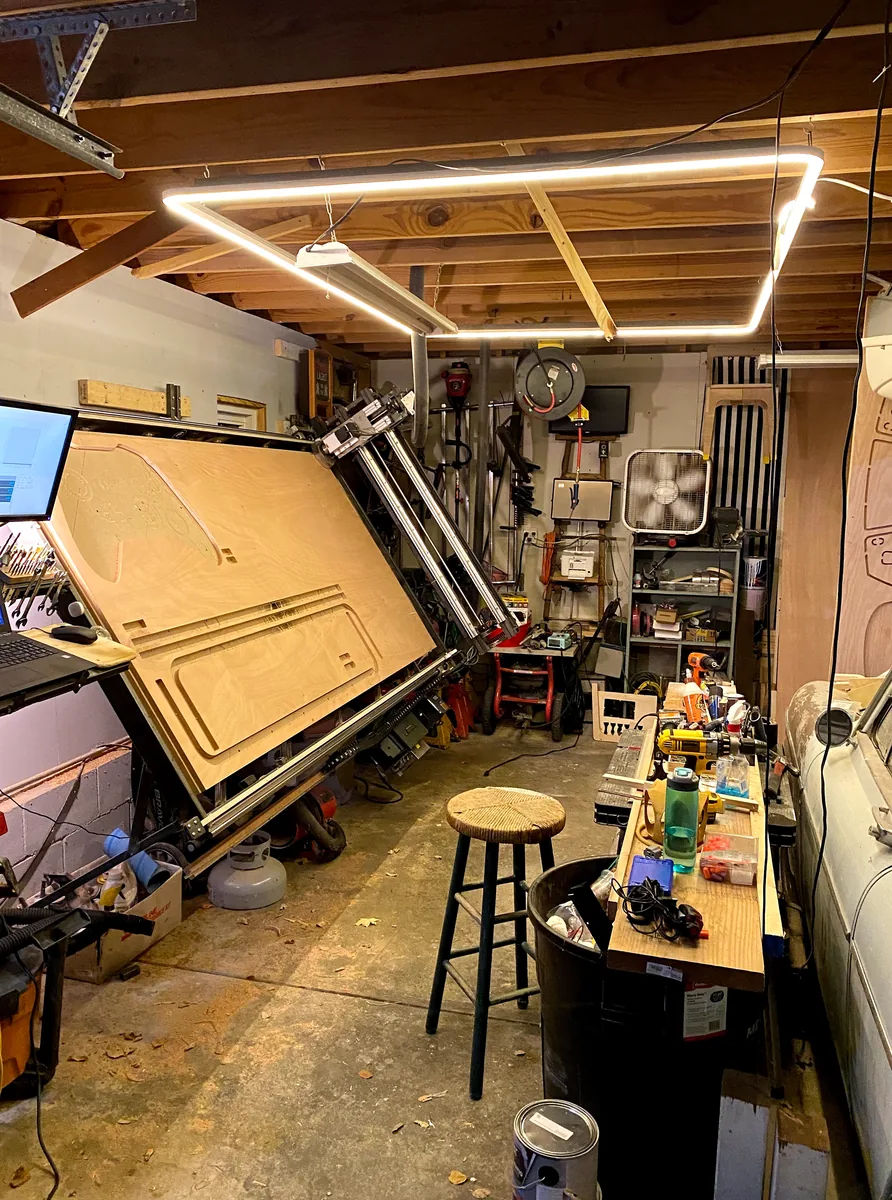
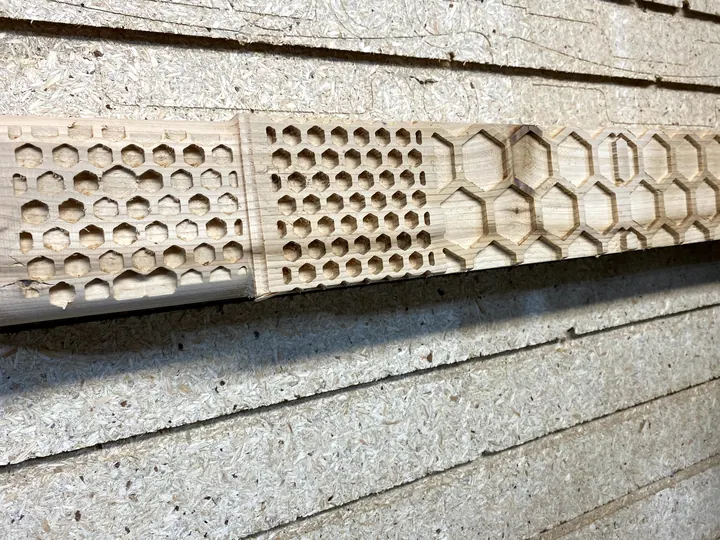
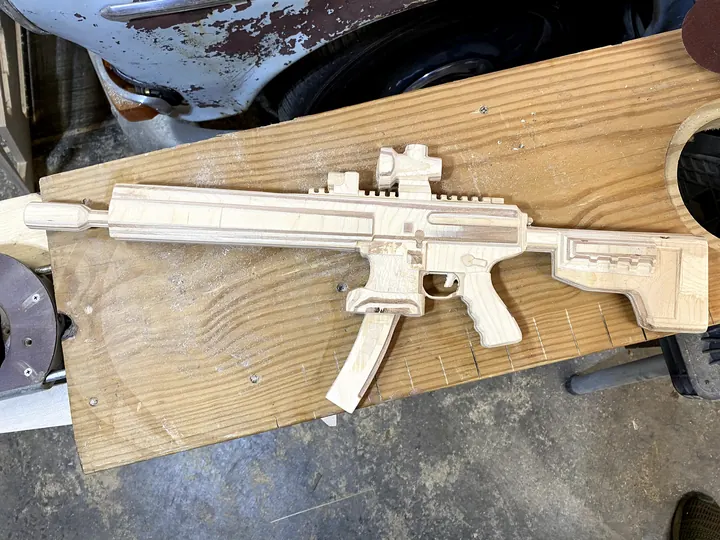
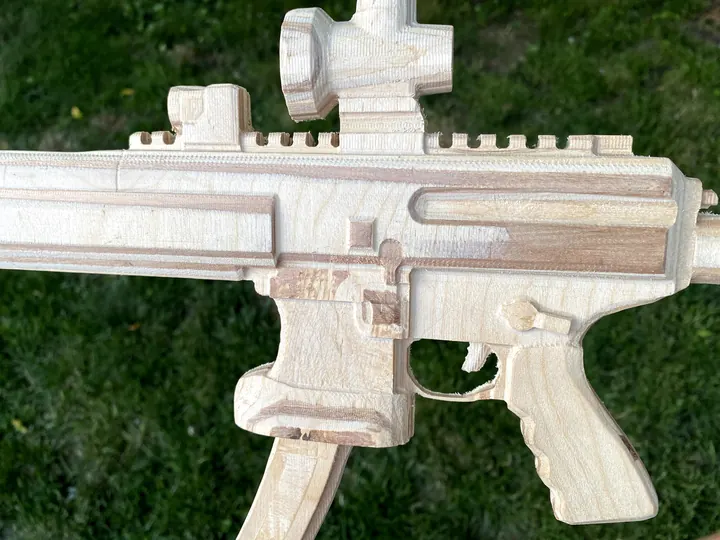
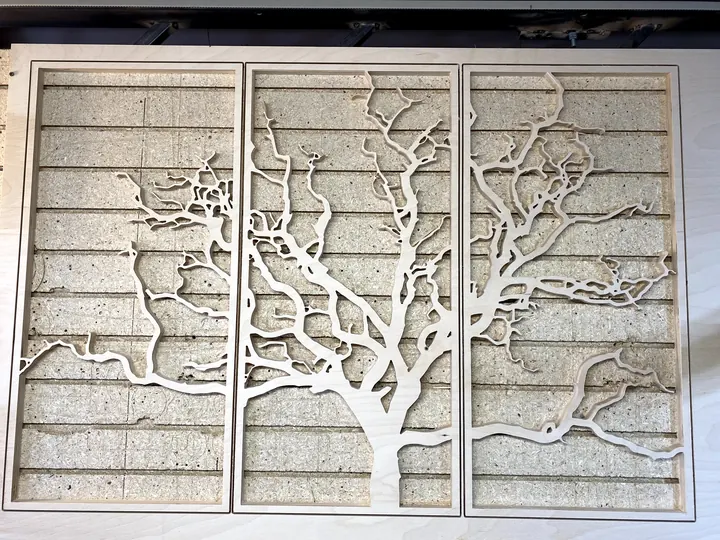
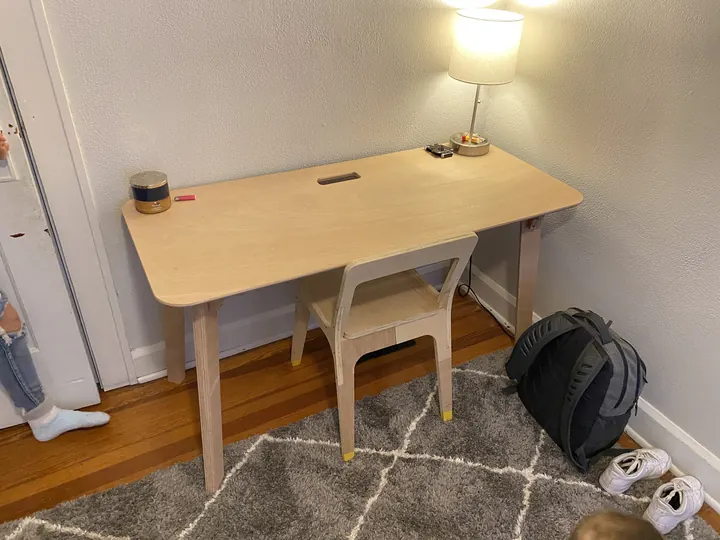
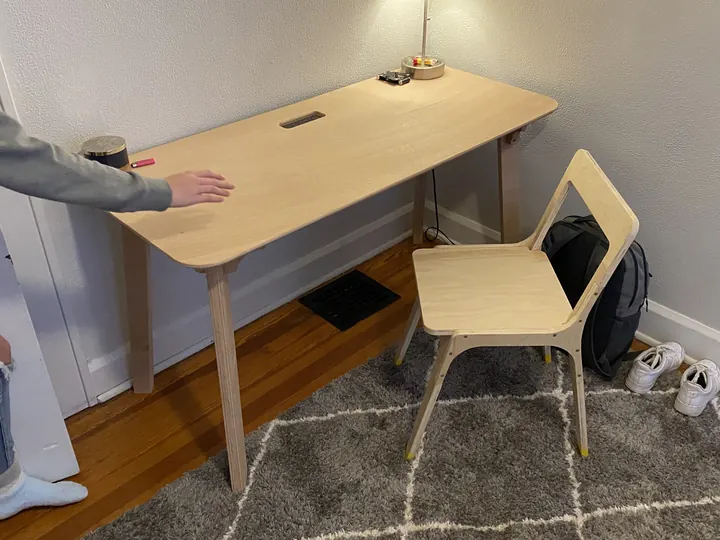
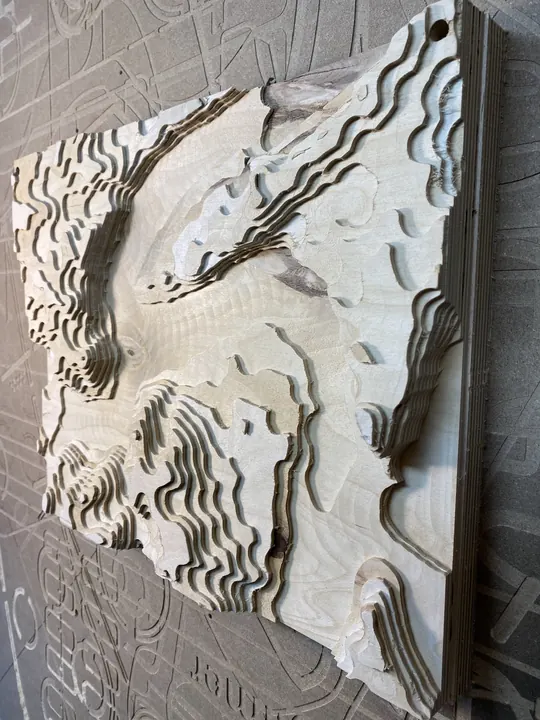
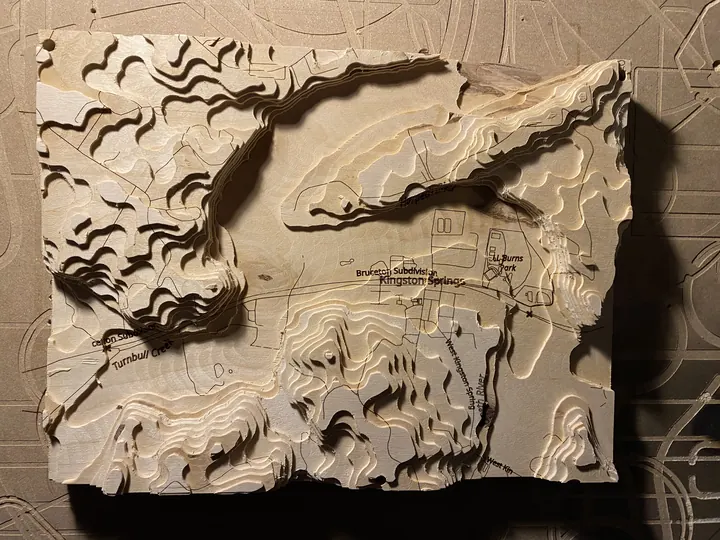
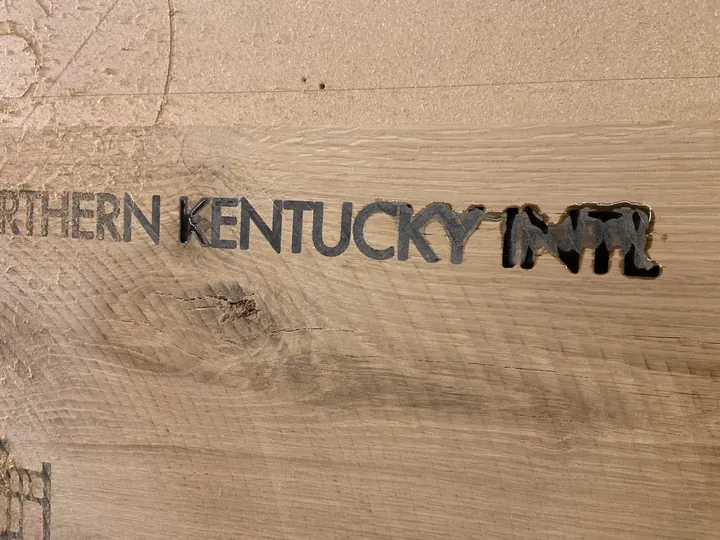
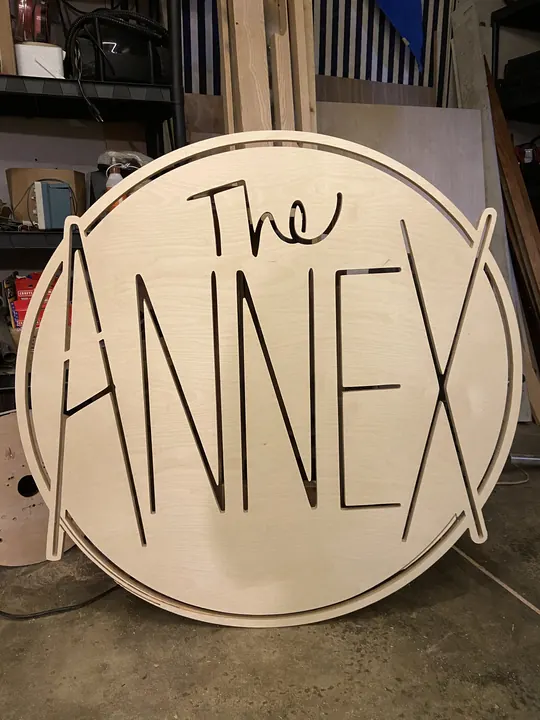
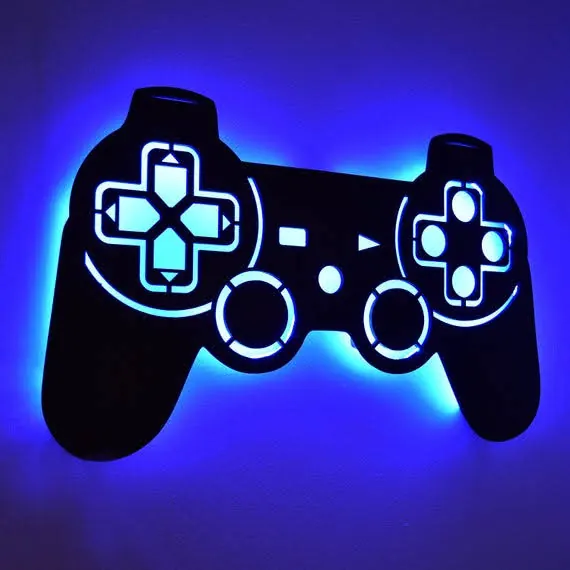
Everything it has cut
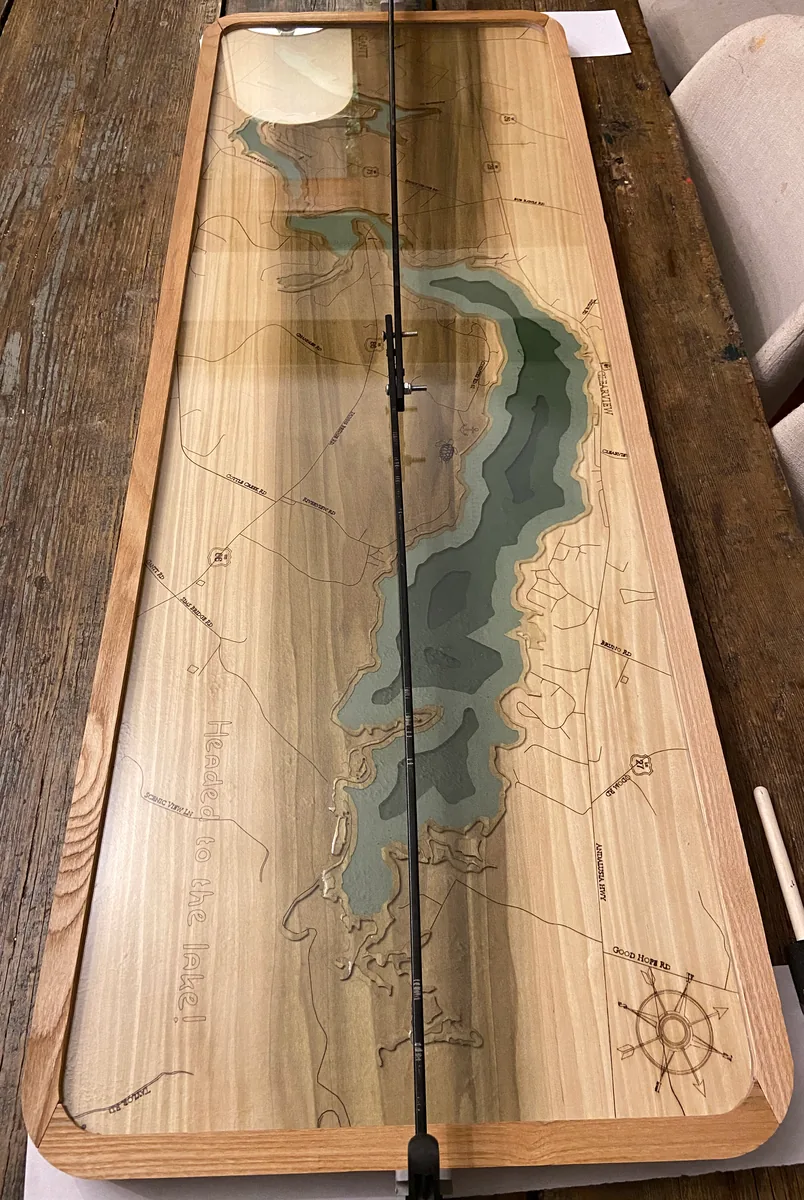
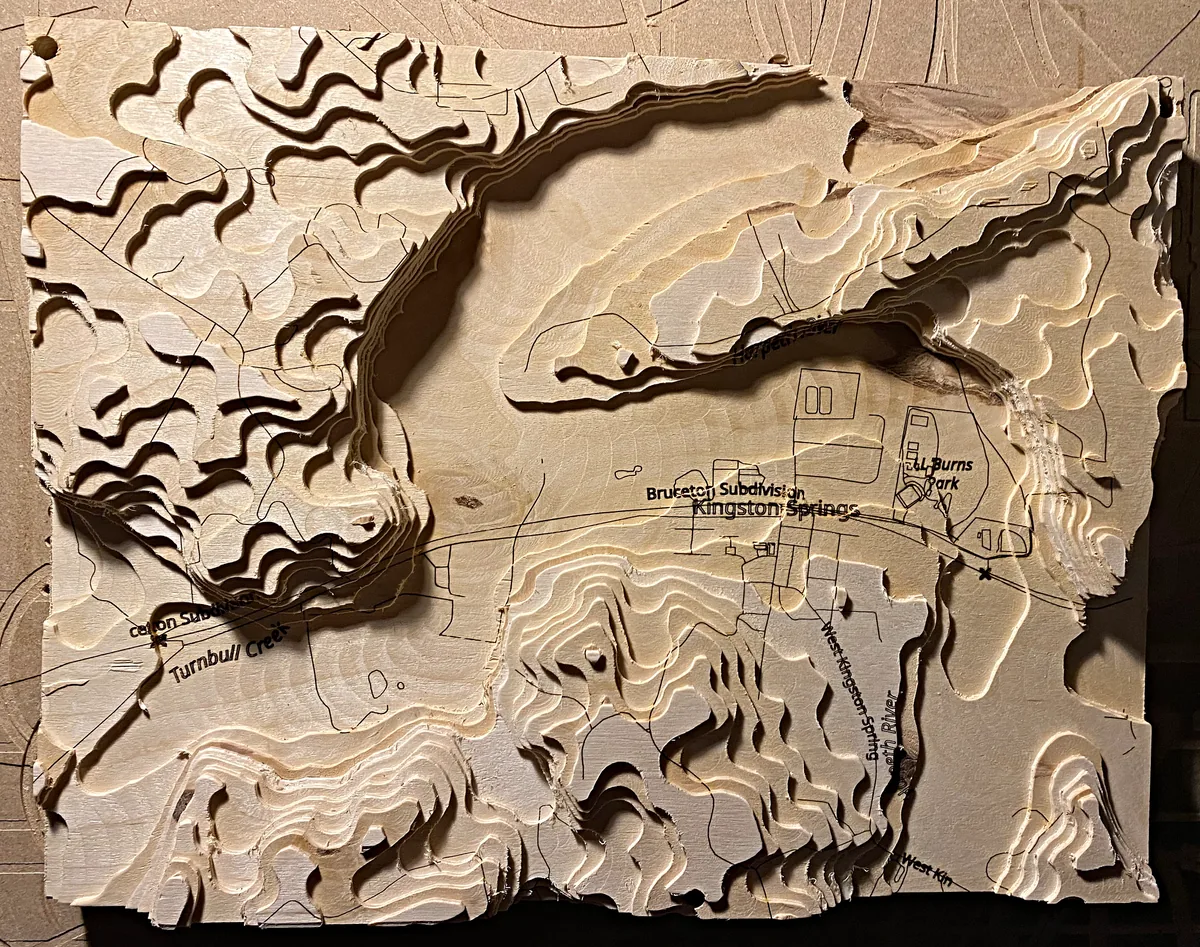
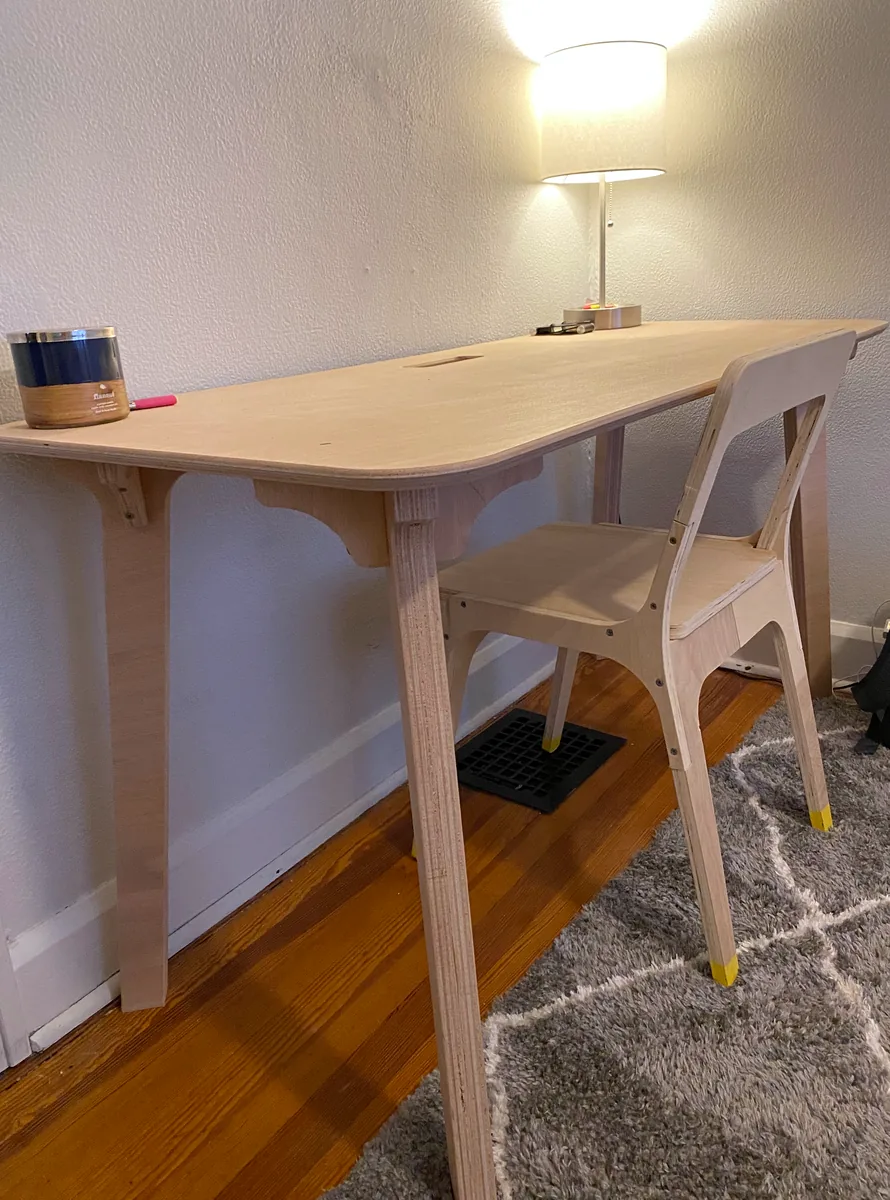
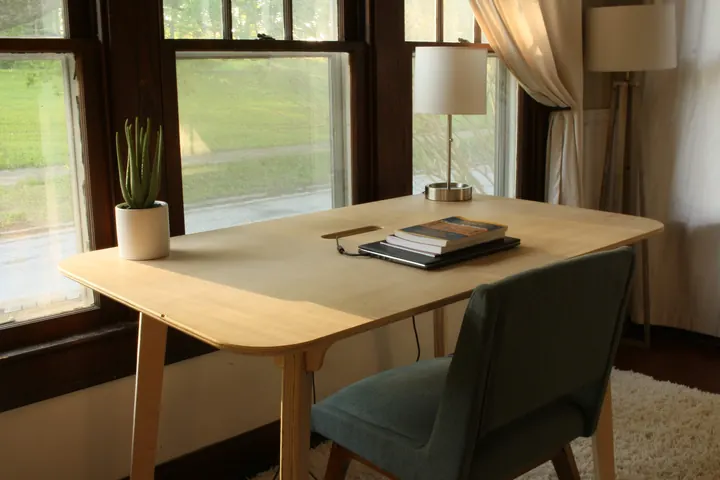
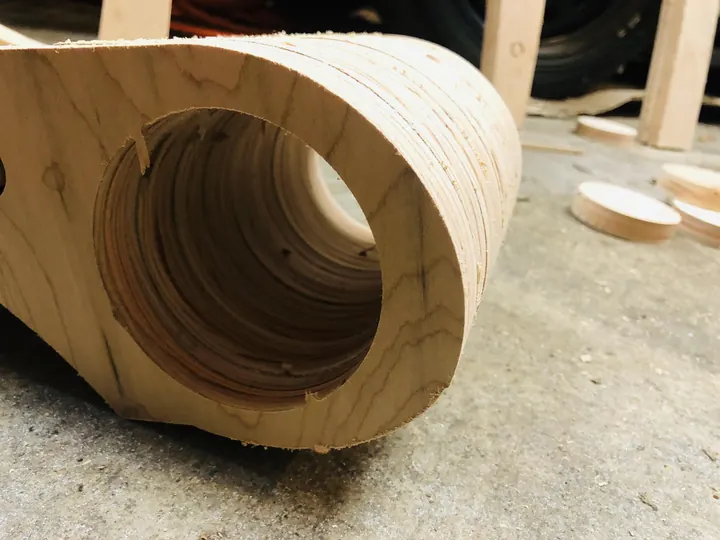
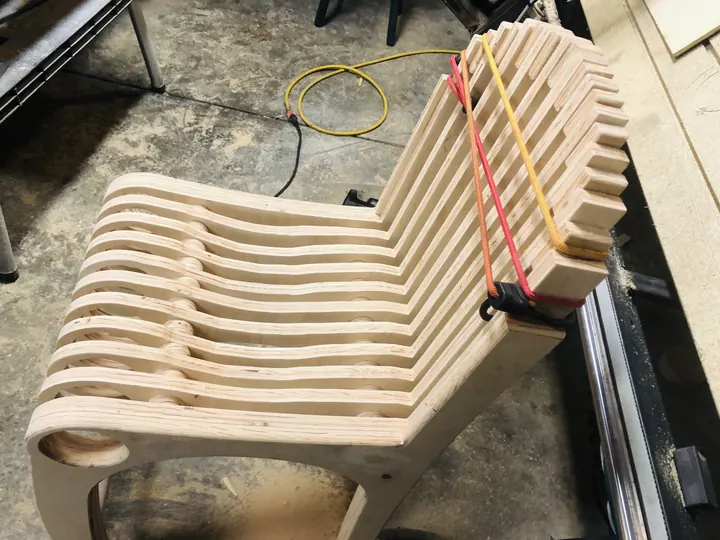
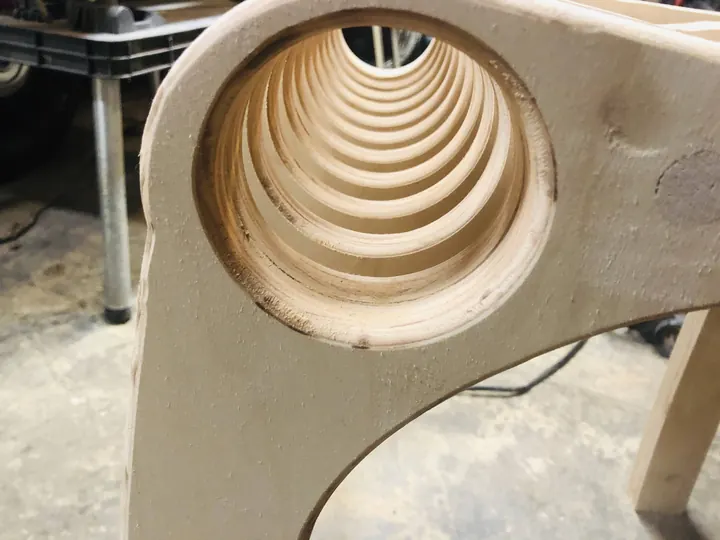
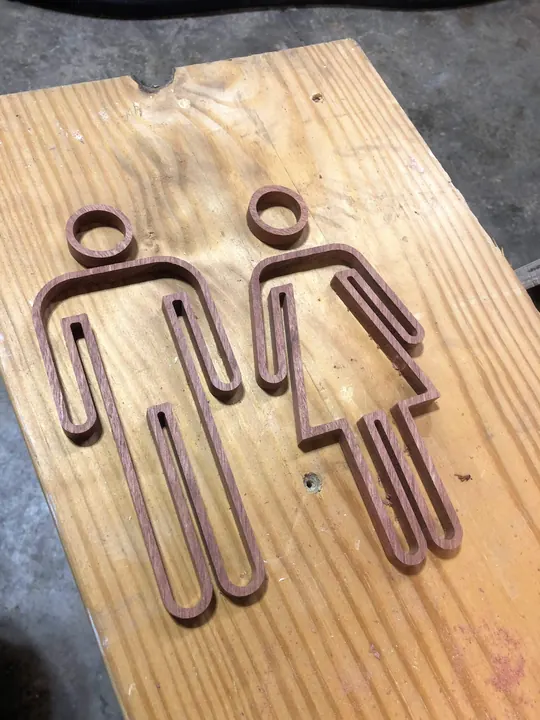
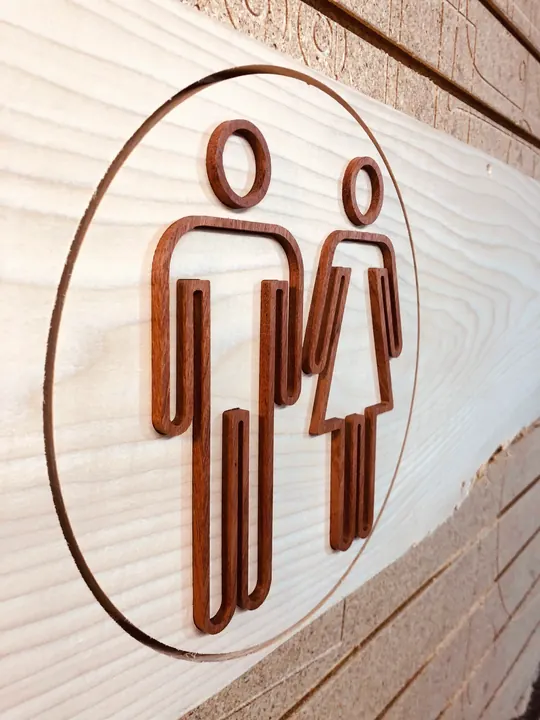
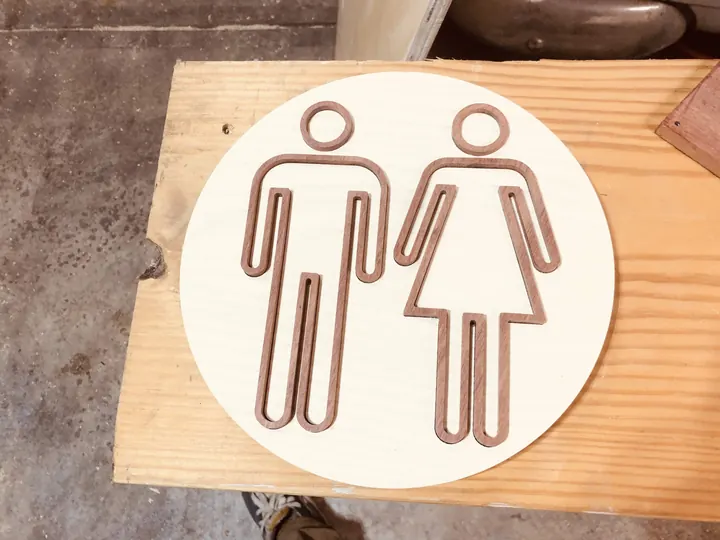
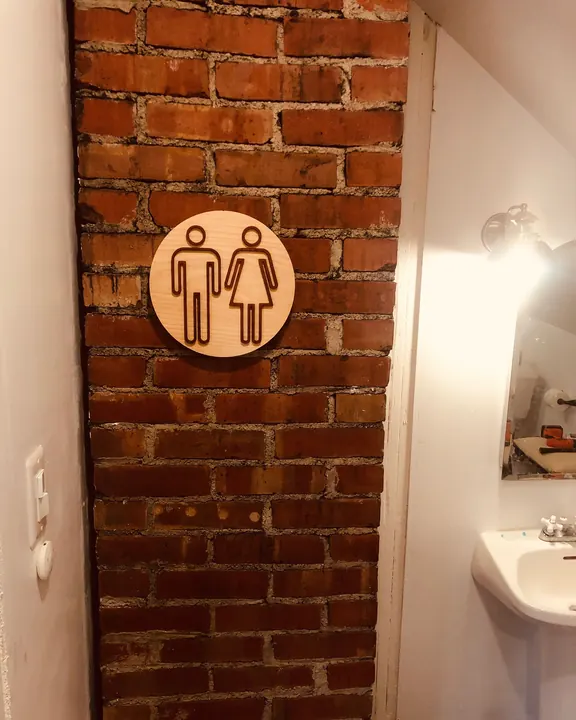
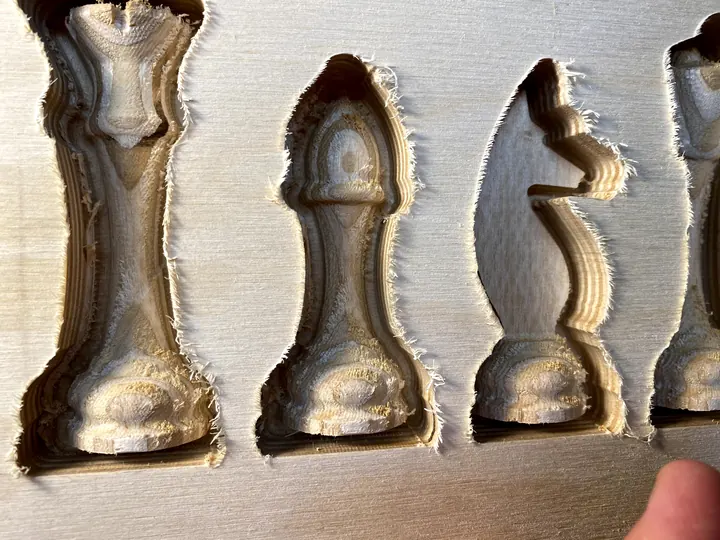
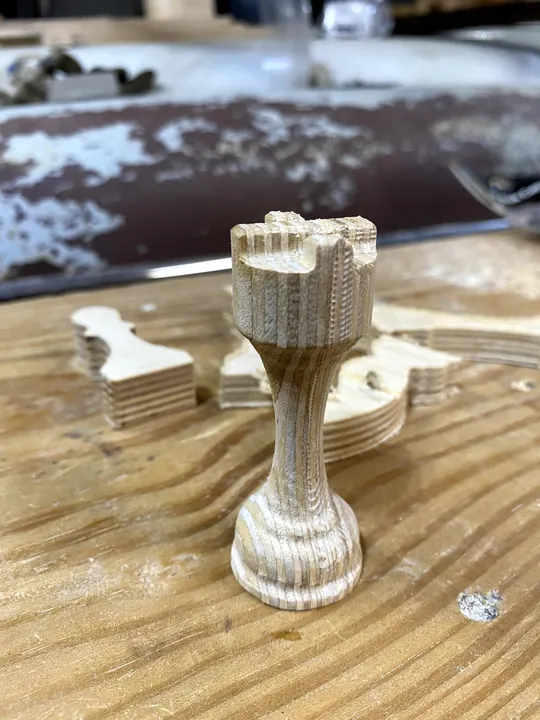
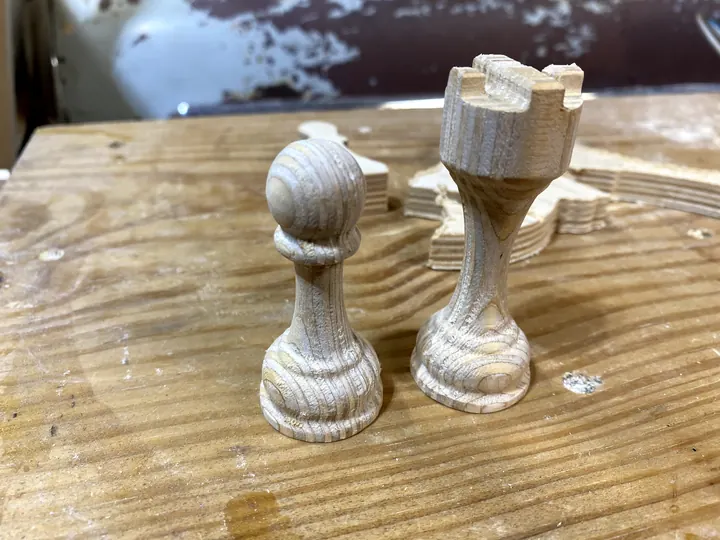
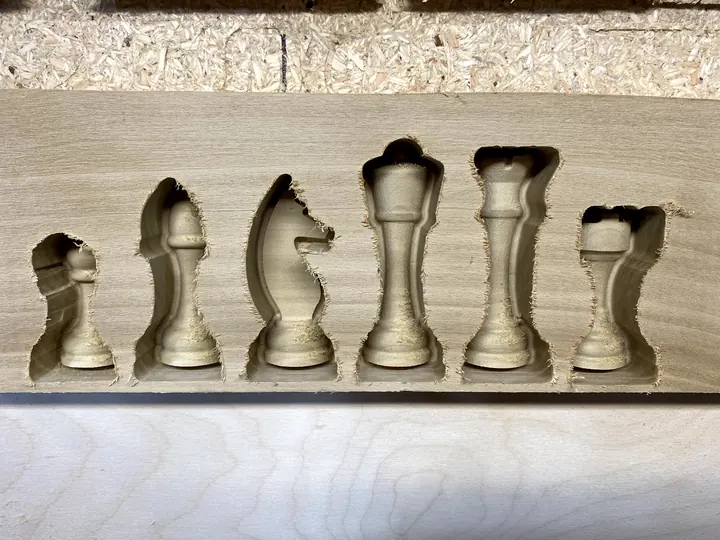
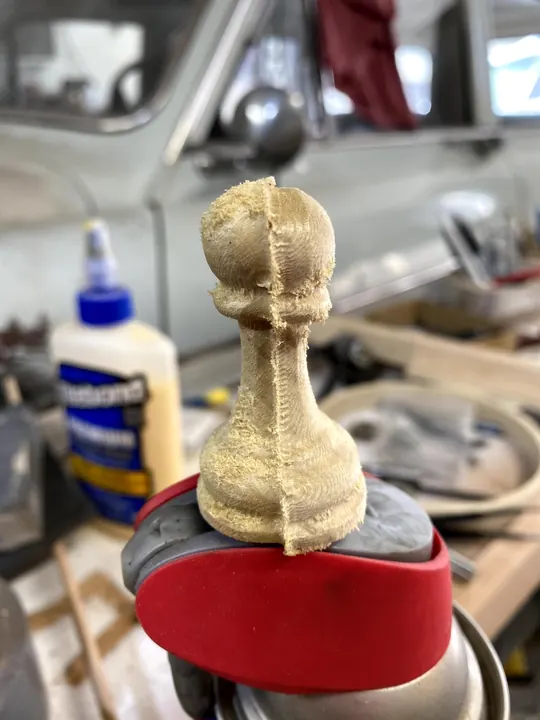
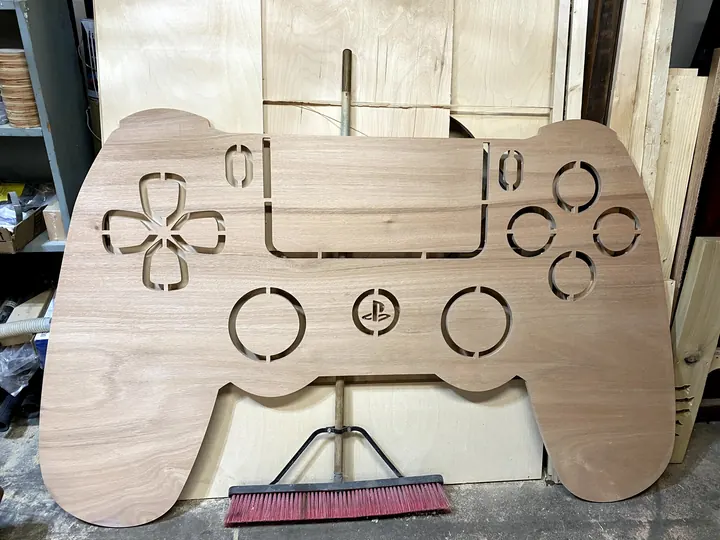
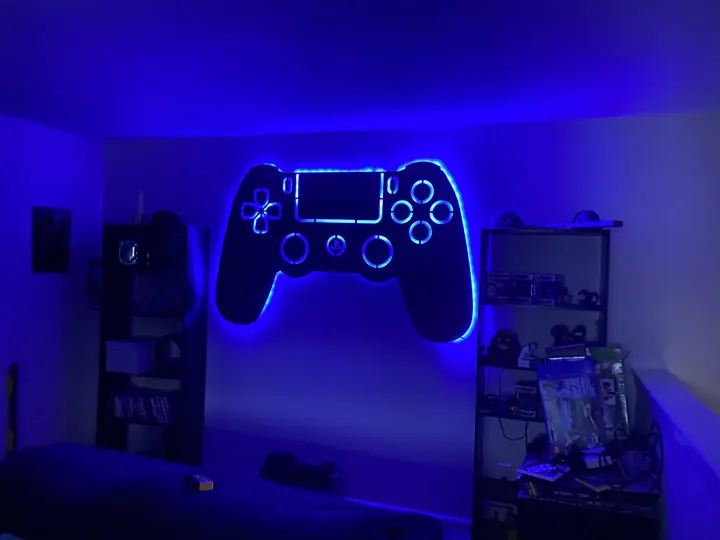
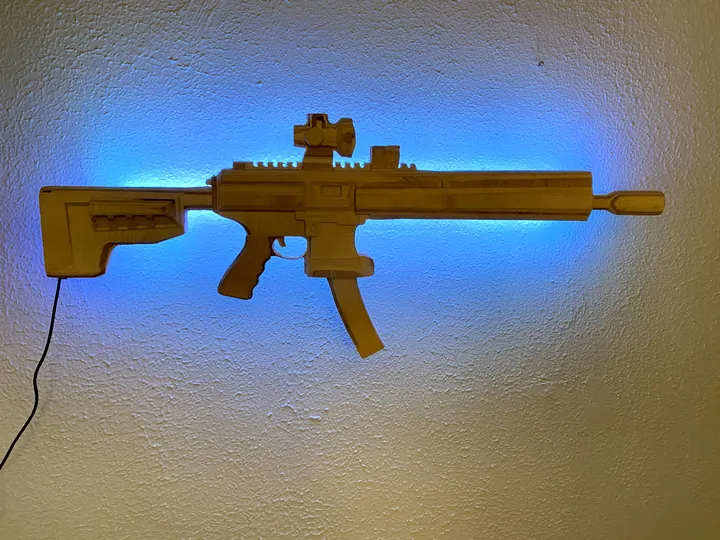
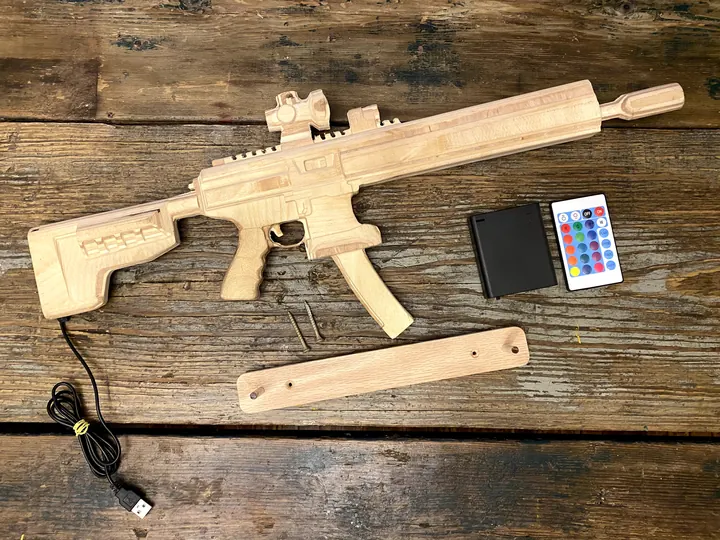
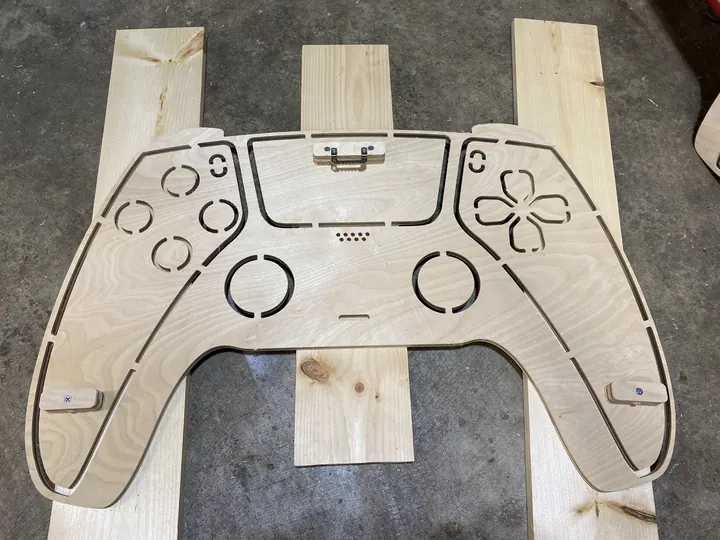
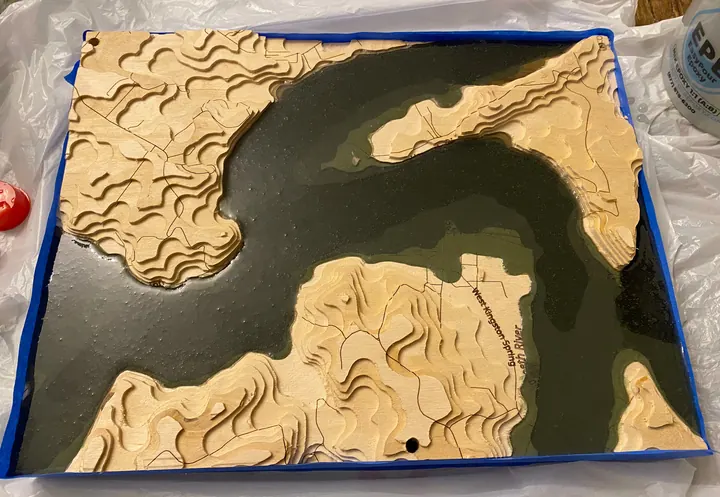
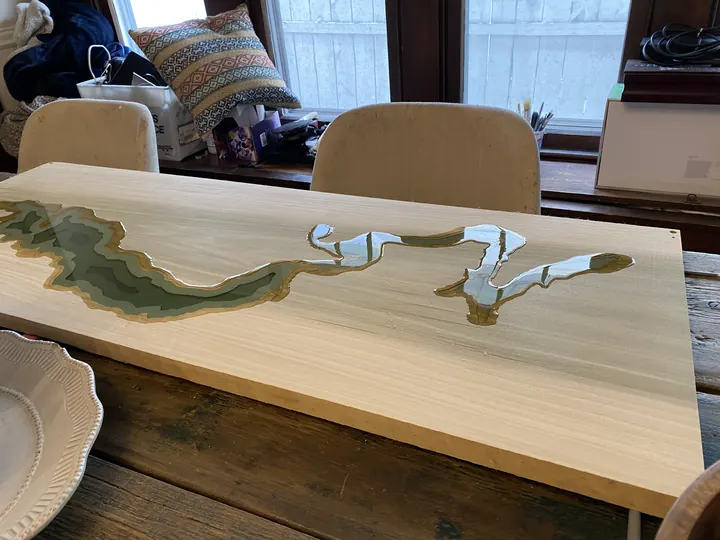
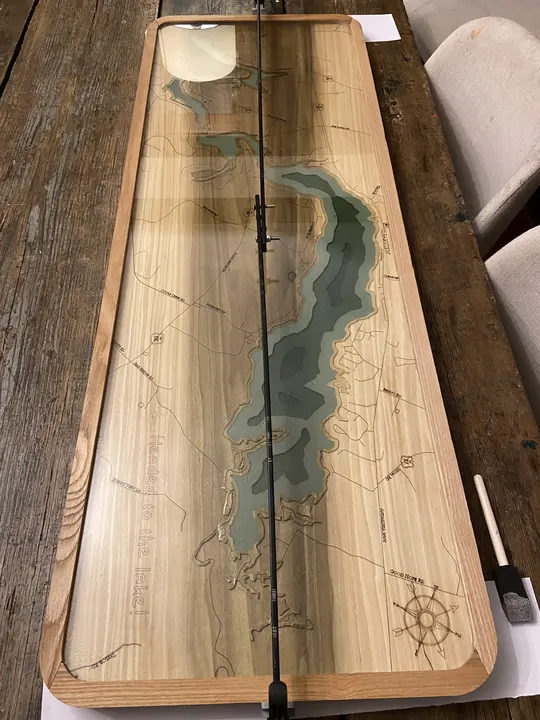
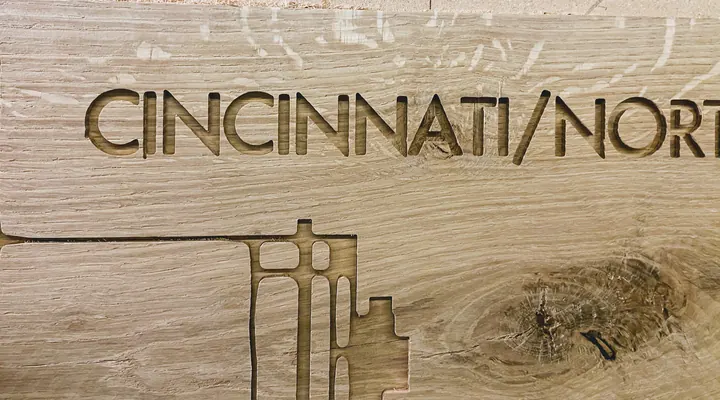
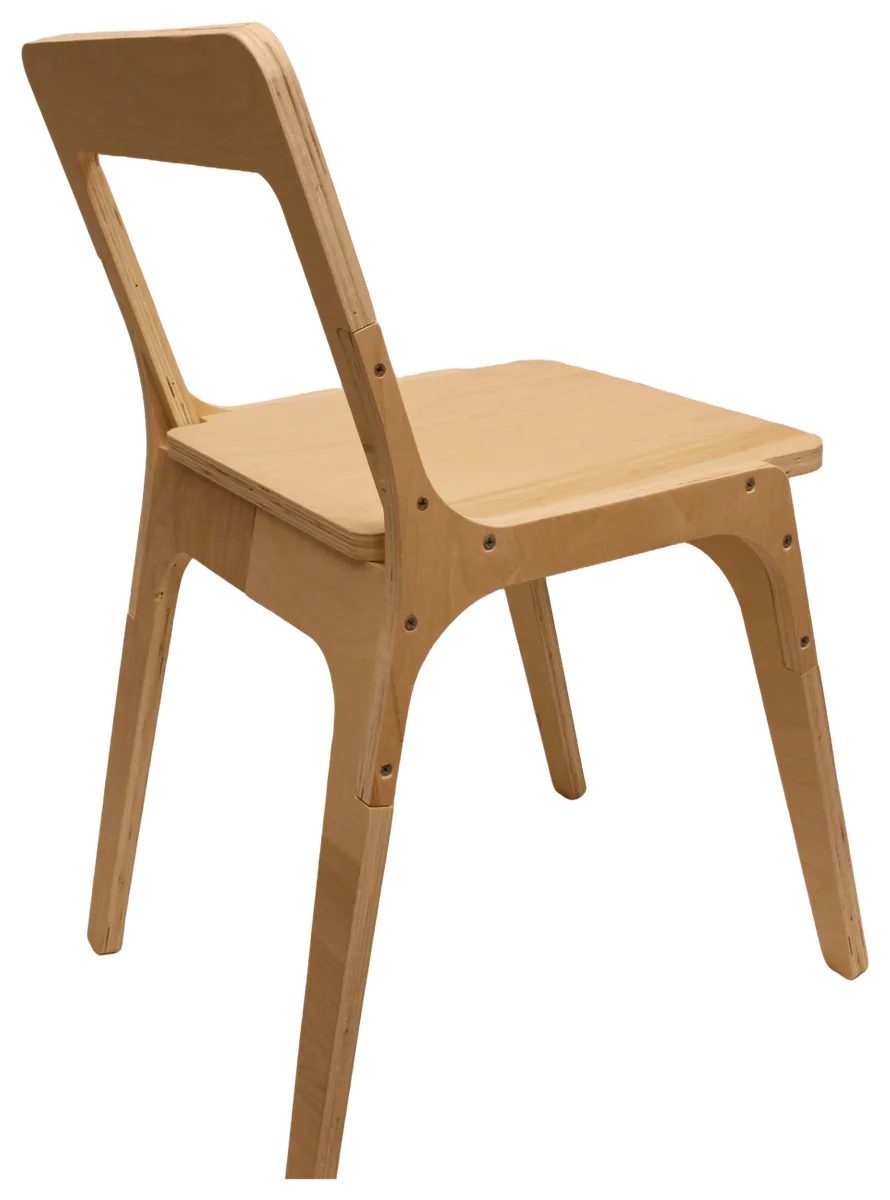
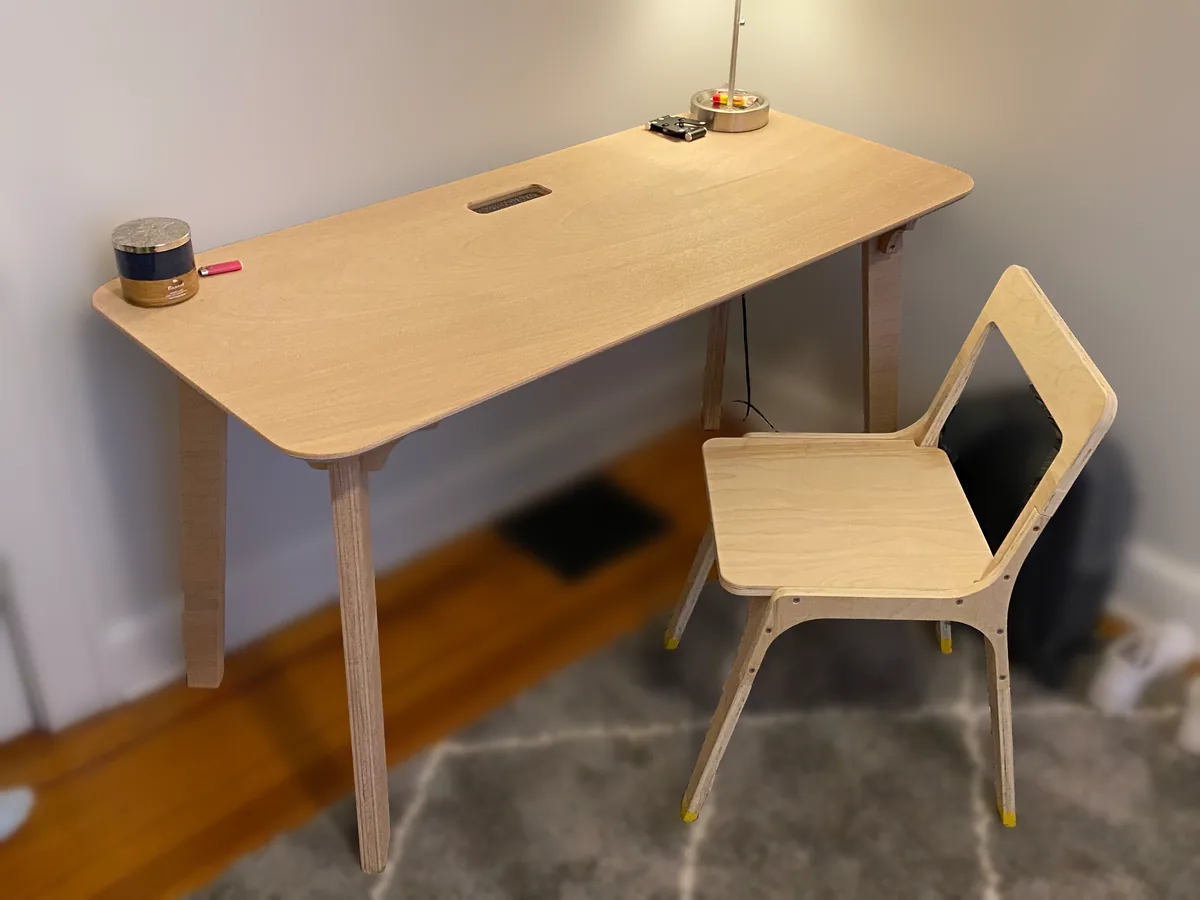
From the album I keep for the router: chairs and desks, a chess set carved from the block, lit signs, river tables, relief maps, and the machine's own parts along the way. Tap one to see it full size.
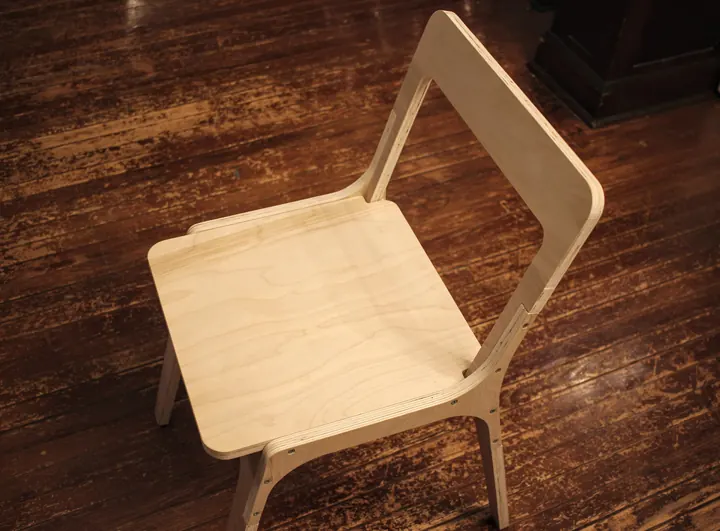
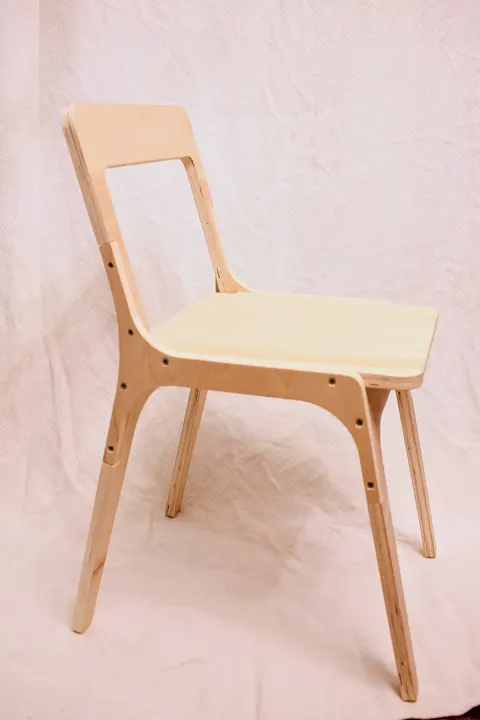
Twelve cuts at once
Clips from the router at work, all playing together.
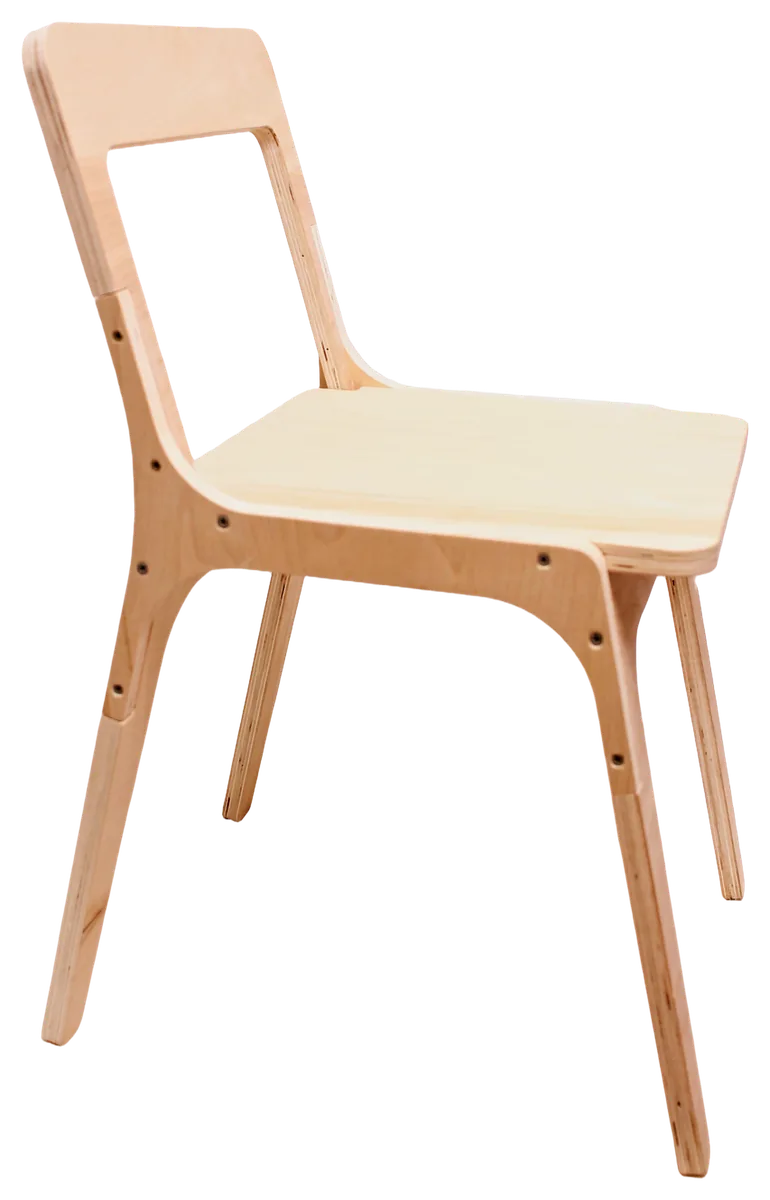
The cut file: ten parts from one sheet of 18 mm plywood
A Pen Plotter That Draws
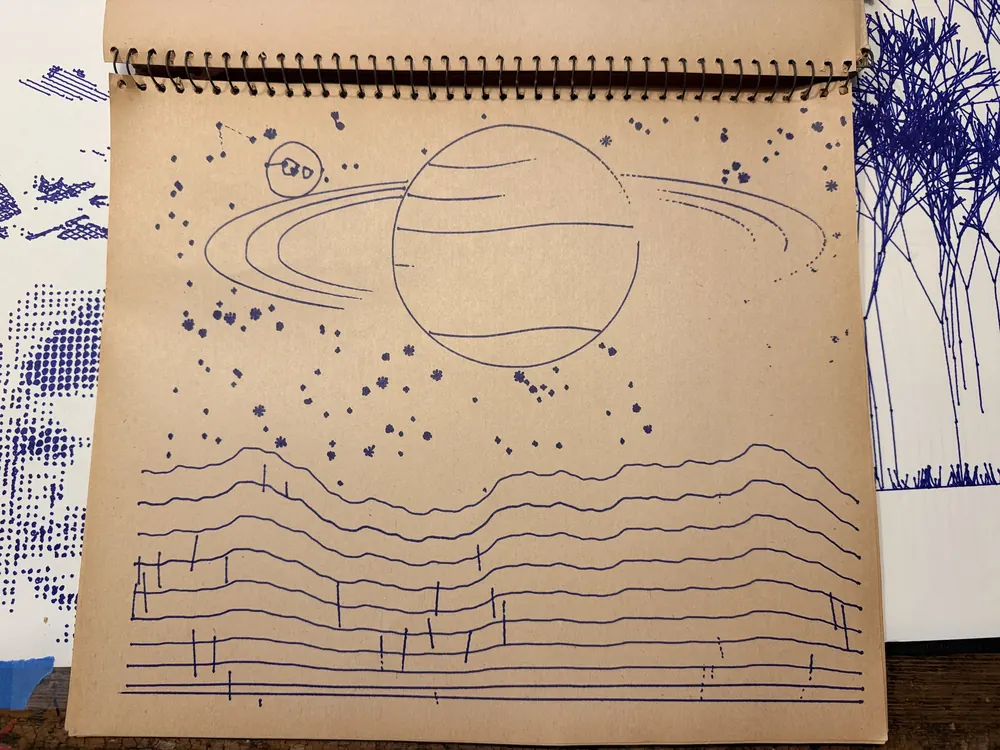
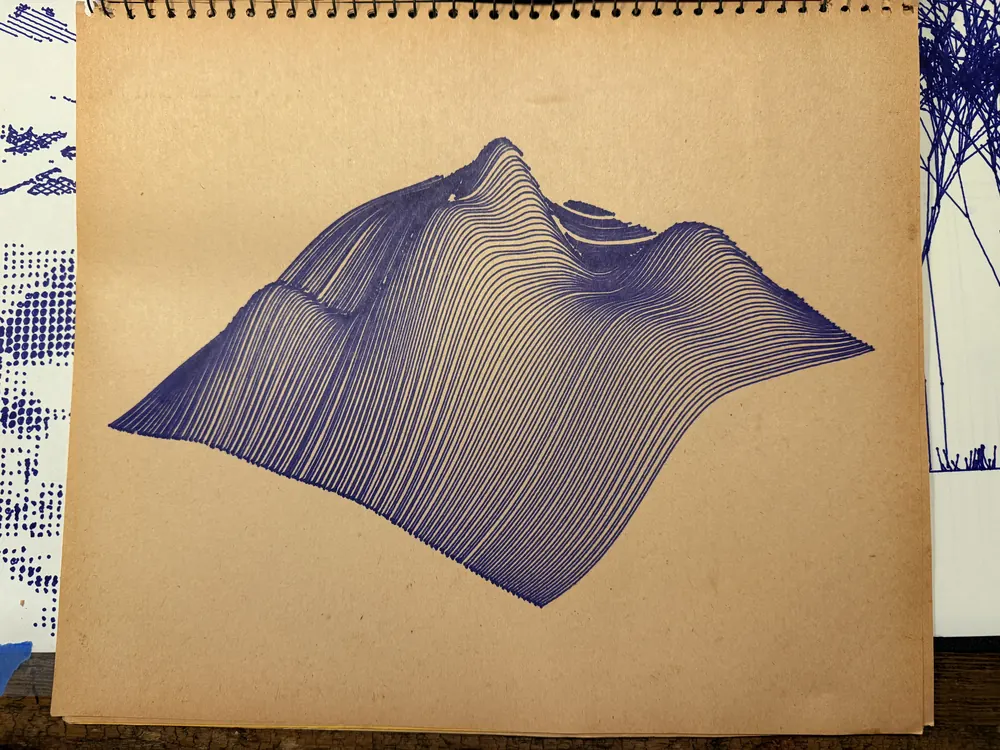
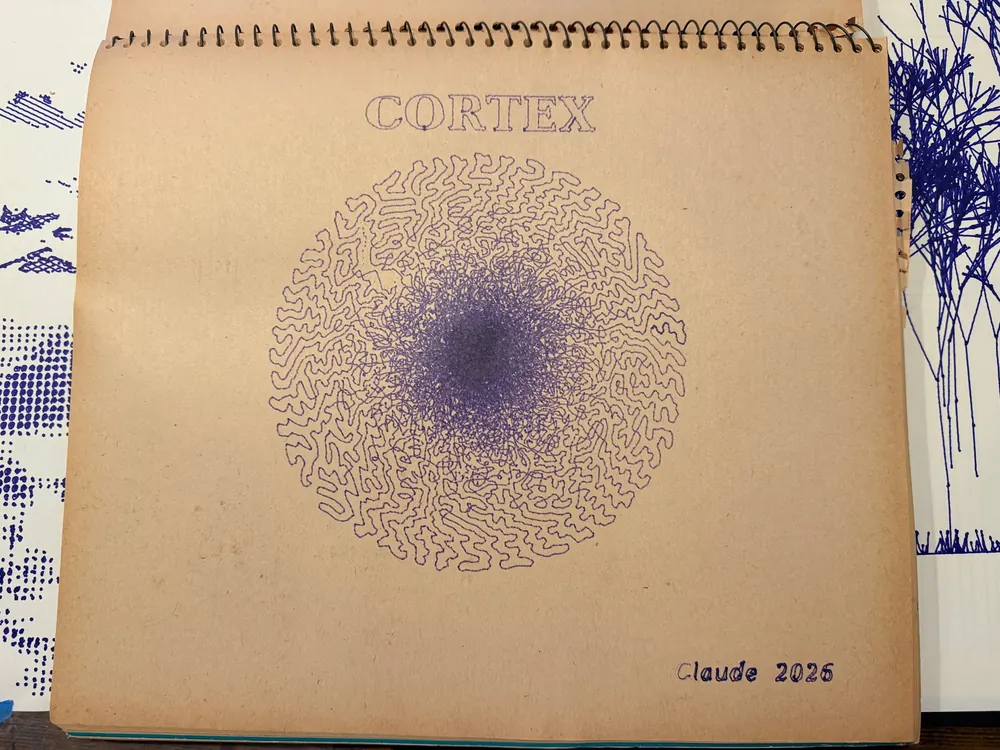
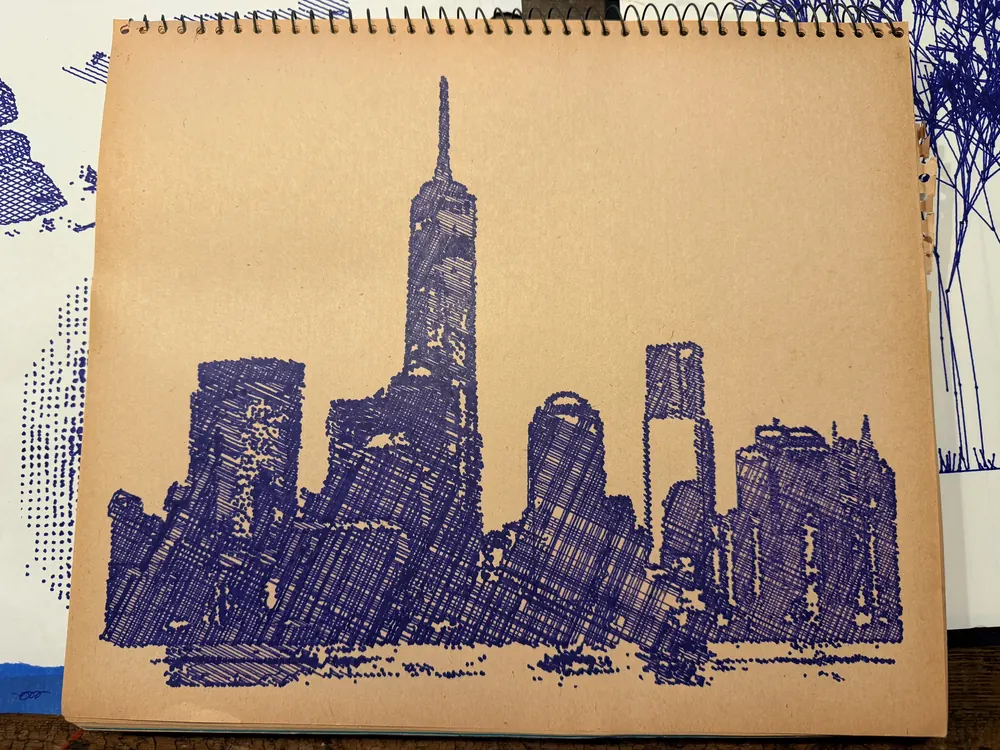
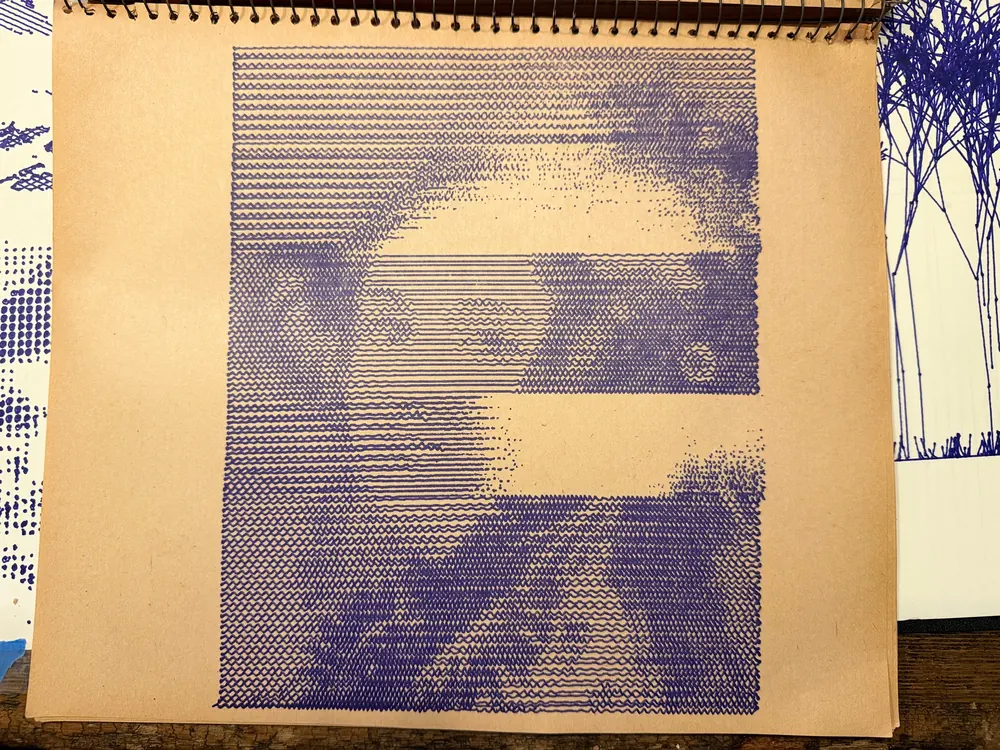
A two-axis pen plotter on the dining table. An Arduino Uno running GRBL steers a spring-loaded pen across the page, and every drawing starts as a picture that Claude traces into thousands of engraving-style pen strokes. A webcam over the bed films each plot.
- Arduino Uno · GRBL 1.1h
- 330 × 370 mm bed
- Picture → pen strokes
- Bed-cam time-lapse
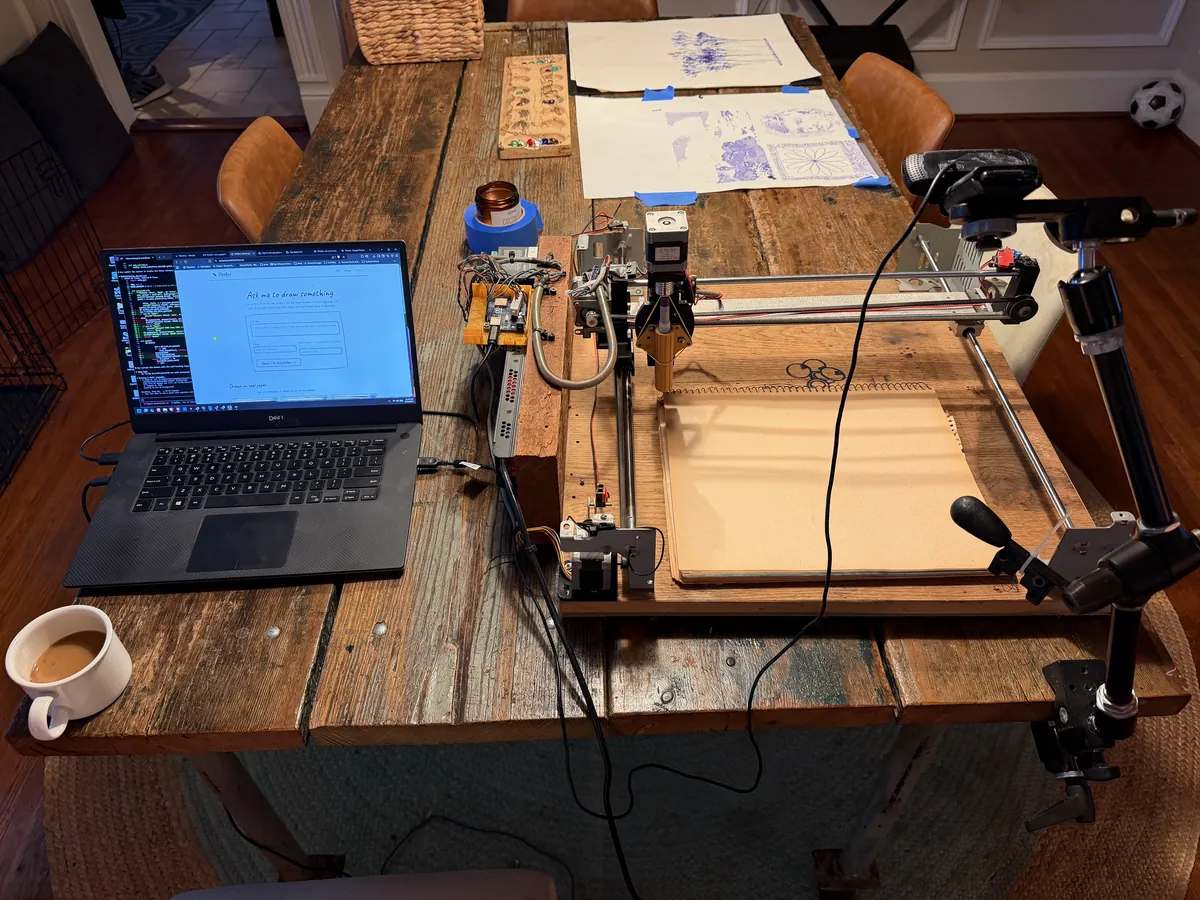
The Mona Lisa: 2,385 strokes and about forty minutes of plotting. The bed camera and the G-code it ran, played by your scroll.
Drawn for this visit
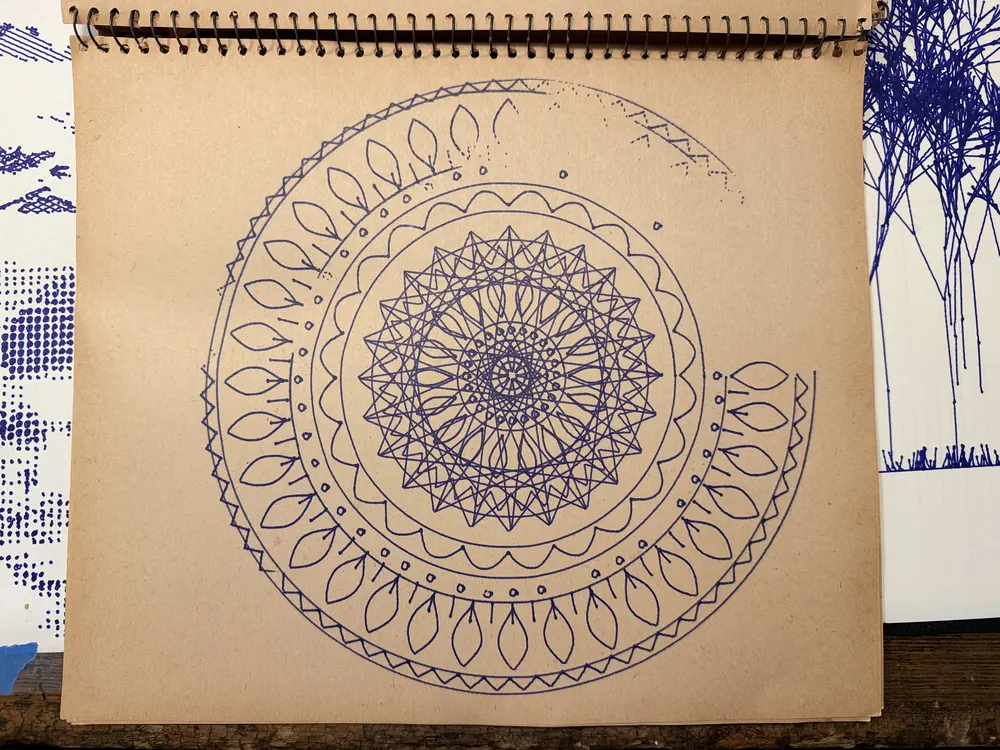
Your visit has its own seed. It picks a pattern (a flow field, a rosette, a mandala or contour terrain) and a virtual gantry plots it stroke by stroke, in the order the real machine would.
Sixteen plots, sped up
The bed camera takes a frame every ten seconds, so an hour or more of drawing plays in under thirty.
From the file to the paper
The first drawings, replayed from the G-code the machine ran. Six have a photo of the finished sheet.
A Pong AI That Taught Itself
I wrote Pong, then a neural network that learns it from nothing. It sees six numbers (where the ball is, how fast it is moving, and where both paddles are) and picks one of three moves: stay, up or down. Nobody tells it the rules. It only gets points: one for returning the ball, ten for scoring, twenty for winning the game. Over 201 million moves it worked out the rest.
- Double DQN
- 6 → 128 → 128 → 3
- 17,795 weights
- 201M moves · RTX 2070
From random to rally, in your browser
This is the project's network, game and rewards, starting from random weights. Press start and it learns on this device while you watch it play. Exploration is sped up so it gets somewhere in a few minutes, not days. Then swap in the brain that trained for 201 million moves, or take the left paddle yourself.
To play: press Play against the AI, then steer the gold paddle on the left with your mouse, a finger, or W/S. First to 5 wins. Training runs only while this is on screen.
201 million moves, two weeks
Its win rate (green) against an opponent that got tougher whenever it was winning (dashed: the opponent's speed). Plateaus, a collapse, and the fixes that got it moving again.
Hi, I'm Jay.
I build things at home to see how they work: a camera that names the birds at our bird bath, a CNC router big enough for a full sheet of plywood, and a long list of experiments in between, from home automation and local AI to stereo cameras and a pen plotter that draws its own art.
This site collects the projects that turned out well. More are on the way.
- Computer vision
- CNC & woodworking
- Home automation
- Local AI
Say hello
Questions about a project, or building something similar? Send a note.